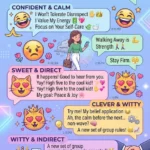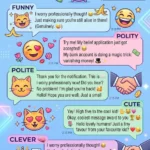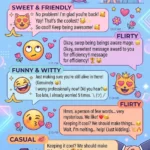
Quick Answer: The best responses to womp womp comebacks depend on whether you want to be funny, sarcastic, confident, or completely unbothered. When someone says “womp womp” to dismiss your problem, a clever reply can turn the moment around without making you look pressed.
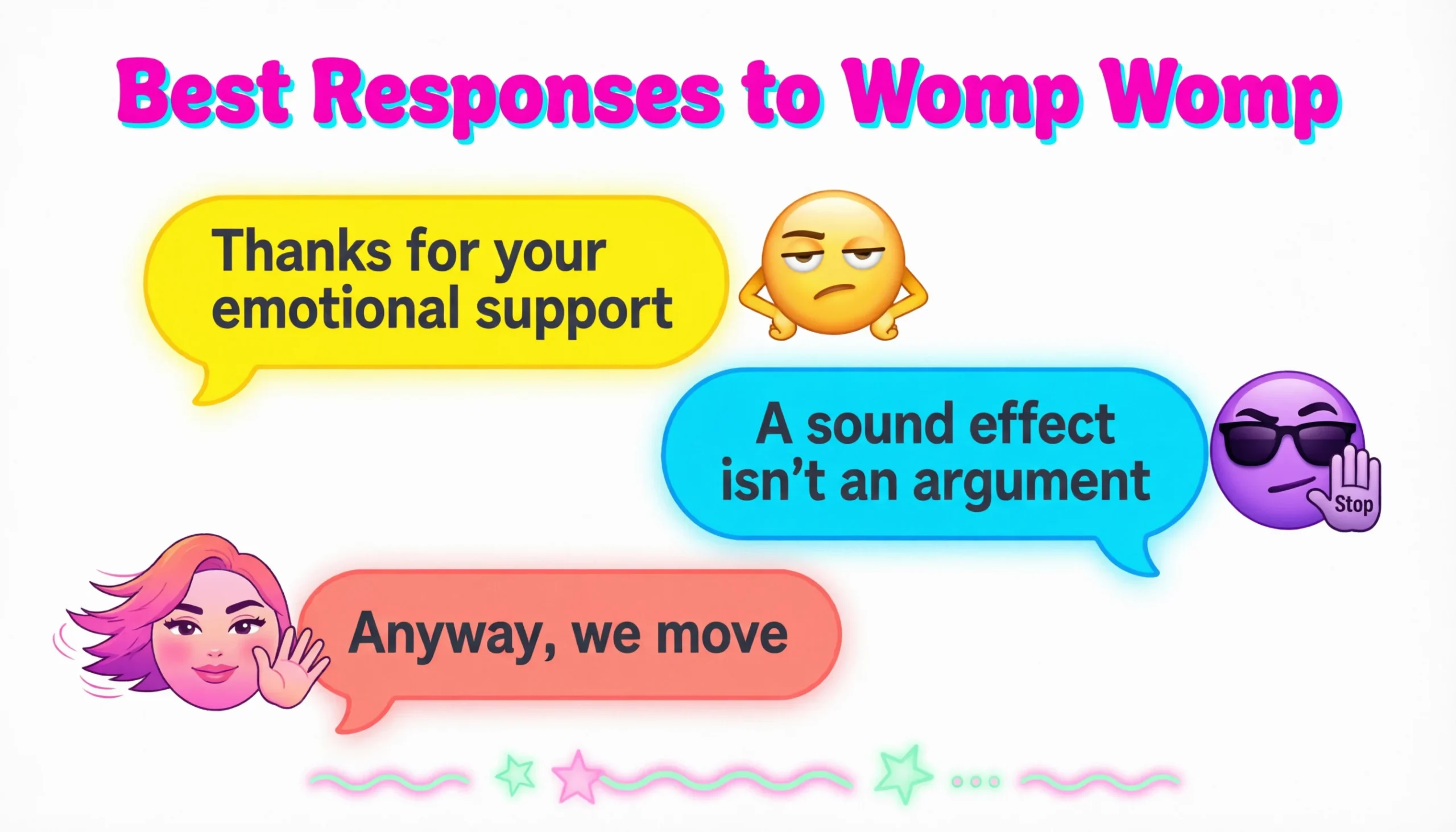
Top replies: “Thanks for your emotional support,” “And yet you still replied,” “Your empathy is showing,” “Not every thought needs a sound effect,” “I’ll survive your lack of sympathy.”
Ever shared a bad day in the group chat, vented to a friend, or opened up in someone’s DMs, only to get hit with a dry “womp womp”? 😭 Like, seriously, was that supposed to be a joke or the world’s shortest sympathy message? Sometimes, it’s funny when you’re messing around with friends. Of course, that’s when your brain suddenly starts searching for the perfect comeback that will make them laugh, leave them speechless, or show them you’re not bothered.
That’s where the best responses to womp womp comebacks come in! Whether you’re looking for a funny one-liner, a sarcastic reply, a playful comeback for your crush, or a confident response that puts an end to the teasing, you’ll find plenty of options here. Some replies are perfect for keeping the joke going, while others help you stand your ground without turning the conversation into an argument. So, if you’re tired of replying with “whatever” or leaving the chat on read, get ready to find a comeback that matches your mood and gives you the last word!
1. Funny Responses to Womp Womp
When someone drops “womp womp” into the chat, humor is often the easiest way to keep things light while giving them a taste of their own energy.
- Thanks for your emotional support.
Example: When a friend responds to your minor inconvenience with “womp womp.”
Meaning: You’re jokingly calling out their lack of sympathy. - Wow, somebody call the empathy department.
Example: When someone laughs instead of acknowledging your bad day.
Meaning: You’re playfully suggesting they’re not being very understanding. - And that’s why you’re not my therapist.
Example: When someone dismisses your frustration with a sarcastic sound effect.
Meaning: You’re joking about their questionable support skills. - I’ll add that to my collection of useless feedback.
Example: When someone offers a dismissive reply to your complaint.
Meaning: You’re showing that their comment hasn’t helped. - Oscar-worthy performance, honestly.
Example: When someone dramatically mocks your disappointment.
Meaning: You’re turning their response into a playful joke. - I feel so supported right now.
Example: When your friend gives you absolutely no sympathy.
Meaning: You’re using irony to highlight their unhelpful reaction. - Somebody woke up and chose background-character energy.
Example: When someone contributes nothing useful to a conversation.
Meaning: You’re teasing them for their low-effort response. - Thank you for this deeply moving speech.
Example: When someone replies with two sarcastic words after your long explanation.
Meaning: You’re poking fun at how little effort they made. - The support group has officially left the chat.
Example: When everyone expects sympathy but one person keeps mocking the situation.
Meaning: You’re joking about the lack of support. - Put that on a sympathy card.
Example: When someone responds to your disappointment with “womp womp.”
Meaning: You’re humorously suggesting their response belongs on an especially unhelpful card. - Wow, save some compassion for the rest of us.
Example: When someone is being noticeably unsympathetic.
Meaning: You’re using sarcasm to highlight their lack of compassion. - I’ll be sure to remember this during your next crisis.
Example: When a friend mocks your problem and you want a playful comeback.
Meaning: You’re teasing them about returning the same energy later.
2. Sarcastic Responses to Womp Womp
Want to sound witty without writing a whole essay? These sarcastic replies are perfect for playful arguments, comment sections, and group chats.
- Your compassion is truly overwhelming.
Example: When someone dismisses a frustrating situation you’re explaining.
Meaning: You’re sarcastically pointing out their lack of empathy. - Thank goodness you added so much value.
Example: When someone interrupts with a pointless “womp womp.”
Meaning: You’re suggesting their comment contributed nothing useful. - I didn’t realize I was speaking to a sympathy expert.
Example: When someone acts amused by your disappointment.
Meaning: You’re making fun of their attempt to sound clever. - What a powerful contribution to society.
Example: When someone offers nothing but a dismissive sound effect.
Meaning: You’re highlighting how unhelpful their response was. - Did you rehearse that one all day?
Example: When someone uses “womp womp” as their default comeback.
Meaning: You’re teasing them for relying on an overused response. - Your kindness deserves a standing ovation.
Example: When someone is being sarcastically unsupportive.
Meaning: You’re using irony to expose their attitude. - And here I was expecting a personality.
Example: When someone gives the same predictable response yet again.
Meaning: You’re teasing them for an unoriginal comeback. - I’ll alert the media about your incredible insight.
Example: When someone acts like their dismissive reply is hilarious.
Meaning: You’re mocking the importance they’re giving their comment. - That’s one way to announce your lack of empathy.
Example: When someone brushes off a genuinely frustrating experience.
Meaning: You’re directly calling attention to their dismissive behavior. - Please, teach a masterclass in being unhelpful.
Example: When someone makes your problem feel even more frustrating.
Meaning: You’re sarcastically criticizing their response. - The microphone is yours, Captain Obvious.
Example: When someone states the obvious instead of offering useful advice.
Meaning: You’re teasing them for contributing little to the discussion. - I’ll treasure this wisdom forever.
Example: When someone responds to your story with a dismissive joke.
Meaning: You’re pretending their comment is valuable when it clearly isn’t.
3. Brutal Comebacks to Womp Womp
These sharper replies are best for people who keep dismissing you or deliberately trying to get a reaction. Use them when you want to be direct without making things unnecessarily personal.
- You confuse being dismissive with being funny.
Example: When someone repeatedly mocks your genuine concerns.
Meaning: You’re challenging their idea that dismissiveness is humor. - That comeback needs a personality upgrade.
Example: When someone keeps repeating the same tired phrase.
Meaning: You’re calling out their lack of originality. - If that was supposed to hurt, you’ll need a better attempt.
Example: When someone uses “womp womp” to provoke you.
Meaning: You’re showing that their comment hasn’t rattled you. - Your opinion wasn’t requested, but thanks anyway.
Example: When someone inserts a dismissive comment into your conversation.
Meaning: You’re making it clear their input wasn’t helpful. - Imagine thinking that counts as a comeback.
Example: When someone acts proud of a low-effort reply.
Meaning: You’re questioning the quality of their response. - You can do better than copy-paste sarcasm.
Example: When someone relies on the same internet phrase in every argument.
Meaning: You’re challenging them to be more original. - If you’re done performing, I was making a point.
Example: When someone interrupts a serious discussion with mockery.
Meaning: You’re redirecting attention to the original issue. - Being loud about not caring is still a reaction.
Example: When someone repeatedly comments to show how unbothered they are.
Meaning: You’re pointing out the contradiction in their behavior. - You brought a sound effect to an actual conversation.
Example: When someone dismisses your explanation without addressing it.
Meaning: You’re highlighting the difference between joking and engaging seriously. - That’s a lot of confidence for so little substance.
Example: When someone delivers a smug but empty response.
Meaning: You’re criticizing the lack of meaningful content. - I’m looking for a response, not a recycled meme.
Example: When someone avoids answering a genuine question with “womp womp.”
Meaning: You’re asking them to contribute something more thoughtful. - You can keep the attitude; I’ll keep my peace.
Example: When someone keeps trying to provoke you.
Meaning: You’re choosing not to let their behavior control your mood.
4. Clever Responses to Womp Womp
Clever comebacks work when you want to sound quick, composed, and a little witty without relying on insults.
- A sound effect isn’t an argument.
Example: When someone uses “womp womp” instead of answering your point.
Meaning: You’re reminding them that a joke doesn’t address the issue. - I’ll take feedback when you upgrade it to words.
Example: When someone responds to your explanation with a dismissive noise.
Meaning: You’re inviting a more meaningful response. - Not every conversation needs a laugh track.
Example: When someone makes fun of a serious topic.
Meaning: You’re pointing out that not every moment is meant to be a joke. - That’s a reaction, not a rebuttal.
Example: When someone mocks your opinion instead of challenging it.
Meaning: You’re distinguishing an emotional response from a real counterpoint. - You skipped the explanation and went straight to the soundboard.
Example: When someone avoids discussing the issue.
Meaning: You’re highlighting their choice to joke rather than engage. - Interesting noise. Got an actual point to go with it?
Example: When someone repeatedly uses “womp womp” during a debate.
Meaning: You’re challenging them to explain their position. - A little substance would really complete that sentence.
Example: When someone makes a dismissive comment and expects the conversation to end.
Meaning: You’re asking for something more meaningful. - You’ve made your reaction clear, not your reasoning.
Example: When someone mocks your perspective without explaining why.
Meaning: You’re pointing out the missing logic in their reply. - Comedy is great; context matters too.
Example: When someone jokes about a situation that genuinely upset you.
Meaning: You’re reminding them that humor depends on the moment. - Let’s try a response with a little more thought behind it.
Example: When someone gives a lazy answer to a serious question.
Meaning: You’re encouraging a more considered reply. - You can disagree without turning everything into a punchline.
Example: When someone mocks your opinion instead of discussing it.
Meaning: You’re encouraging respectful disagreement. - I’ll wait for the director’s commentary.
Example: When someone drops “womp womp” and acts like the conversation is over.
Meaning: You’re humorously suggesting their response needs an explanation.
5. Unbothered Responses to Womp Womp
Sometimes the best comeback is showing that you aren’t interested in the drama. These replies keep your confidence intact without giving the other person the reaction they’re looking for.
- Anyway, moving right along.
Example: When someone tries to derail your story with a dismissive joke.
Meaning: You’re refusing to let their comment take over the conversation. - Okay, and?
Example: When someone expects you to get upset over “womp womp.”
Meaning: You’re showing that their remark doesn’t require a big reaction. - Noted. Moving on.
Example: When you want to acknowledge a comment without entertaining it.
Meaning: You’re ending the exchange with minimal effort. - I’m still good over here.
Example: When someone tries to make you feel embarrassed about a setback.
Meaning: You’re communicating that your confidence remains intact. - That doesn’t change my day.
Example: When someone mocks something that matters to you.
Meaning: You’re showing that their opinion won’t determine your mood. - Anyway, back to the actual point.
Example: When someone uses sarcasm to distract from the original discussion.
Meaning: You’re bringing the conversation back on track. - You done? Cool.
Example: When someone keeps repeating the same dismissive phrase.
Meaning: You’re signaling that you’re ready to move past their teasing. - I’m not taking that personally.
Example: When someone uses “womp womp” to provoke a reaction.
Meaning: You’re choosing not to interpret their remark as a personal attack. - That’s your reaction, and that’s fine.
Example: When someone dismisses your opinion or experience.
Meaning: You’re acknowledging their response without accepting their judgment. - I’ll be okay, promise.
Example: When a friend jokingly acts as if your minor setback is a disaster.
Meaning: You’re reassuring them that you’re handling it. - No worries, life goes on.
Example: When someone mocks a small disappointment.
Meaning: You’re showing perspective and emotional resilience. - I’m good. Let’s talk about something else.
Example: When you want to end a repetitive exchange and change the subject.
Meaning: You’re calmly disengaging from the interaction.
6. Flirty Responses to Womp Womp
If your crush or partner uses “womp womp” to tease you, a playful reply can turn the moment into a little flirtation. These work best when you already have a joking dynamic.
- Wow, is this how you treat someone you like?
Example: When your crush playfully dismisses your minor complaint.
Meaning: You’re teasing them while inviting a little affection. - I’ll forgive you if you make it up to me.
Example: When someone you’re flirting with responds without sympathy.
Meaning: You’re giving them a playful opening to show attention. - Cute. Now try being nice to me.
Example: When your partner uses “womp womp” to tease you.
Meaning: You’re mixing light sass with affectionate teasing. - And here I thought you were my favorite person.
Example: When your crush laughs at your small inconvenience.
Meaning: You’re playfully pretending to be disappointed in them. - You owe me one compliment after that.
Example: When someone flirts by teasing you a little too much.
Meaning: You’re turning their joke into a chance for affection. - Is teasing me your love language now?
Example: When a romantic interest frequently jokes at your expense.
Meaning: You’re playfully questioning their affectionate teasing. - I’ll accept an apology in the form of snacks.
Example: When your partner dismisses your complaint about a minor inconvenience.
Meaning: You’re jokingly asking for a sweet peace offering. - Keep talking like that and I’ll steal your hoodie.
Example: When your crush teases you during a casual chat.
Meaning: You’re responding with a familiar, playful flirting trope. - You’re lucky you’re cute.
Example: When someone you like delivers a cheeky comeback.
Meaning: You’re letting them know you find them attractive despite the teasing. - I’ll let that slide because I like your face.
Example: When your partner gives you a sarcastic reply.
Meaning: You’re using humor to show affection. - That’s bold talk for someone who wants my attention.
Example: When your crush keeps teasing you to get a reaction.
Meaning: You’re playfully suggesting their teasing is a way to connect. - Fine, but you’re making it up to me with a date.
Example: When the teasing turns into a playful exchange with someone you like.
Meaning: You’re using the moment to suggest spending time together.
7. Polite Responses to Womp Womp
Not every situation calls for sarcasm. If you want to keep things respectful, especially with acquaintances or people you don’t know well, try these calm replies.
- I was actually hoping for a little understanding.
Example: When someone dismisses a concern you were sharing sincerely.
Meaning: You’re politely explaining what you needed from the interaction. - I know you’re joking, but this matters to me.
Example: When someone makes light of a situation you’re genuinely concerned about.
Meaning: You’re clarifying the difference between joking and taking your concern seriously. - Let’s keep it respectful, please.
Example: When a comment feels unnecessarily dismissive.
Meaning: You’re setting a simple expectation for the conversation. - I’d appreciate a more thoughtful response.
Example: When you ask for advice and receive a sarcastic sound effect.
Meaning: You’re requesting a more considerate reply. - It’s okay if you see it differently.
Example: When someone dismisses your perspective instead of discussing it.
Meaning: You’re allowing disagreement without escalating the situation. - I understand the joke, but I’m being serious.
Example: When a friend keeps laughing while you’re trying to explain a problem.
Meaning: You’re asking them to recognize the seriousness of the moment. - Let’s agree to see this differently.
Example: When a discussion isn’t going anywhere because you have different views.
Meaning: You’re choosing respectful disagreement over an argument. - I’d rather talk about this constructively.
Example: When someone uses sarcasm during a discussion that matters to you.
Meaning: You’re inviting a more productive conversation. - I hear your reaction, but I’d still like to explain my point.
Example: When someone dismisses your concern before you’ve finished speaking.
Meaning: You’re asking for a fair chance to be heard. - That response feels a little dismissive.
Example: When someone brushes off your feelings without realizing the effect.
Meaning: You’re describing the impact of their words without attacking them. - Could we talk about this without making fun of it?
Example: When a personal issue becomes the subject of jokes.
Meaning: You’re asking for empathy and a more serious discussion. - No hard feelings, but I’d appreciate a little more consideration.
Example: When someone makes a careless remark and you want to address it calmly.
Meaning: You’re expressing your concern while leaving room to move forward.
8. Cute Responses to Womp Womp
These adorable replies are perfect for close friends, playful DMs, and low-stakes situations where you want to keep the mood light.
- Rude, but I’ll allow it.
Example: When your best friend jokingly dismisses your tiny problem.
Meaning: You’re pretending to be offended in an affectionate way. - My tiny violin is playing just for you.
Example: When someone mocks your complaint and you want to play along.
Meaning: You’re using a familiar joke to exaggerate your mock sadness. - Excuse me, I ordered sympathy with extra sprinkles.
Example: When a friend forgets to comfort you during a minor disappointment.
Meaning: You’re asking for affection in a playful way. - Not you bullying my main-character moment.
Example: When someone interrupts your dramatic storytelling with “womp womp.”
Meaning: You’re jokingly defending your moment in the spotlight. - I’m telling the group chat you hurt my feelings.
Example: When a friend gives you a cheeky response in a private message.
Meaning: You’re pretending to escalate a harmless joke. - Okay, meanie, come give me a hug.
Example: When a close friend teases you but you still want affection.
Meaning: You’re combining mock annoyance with warmth. - My dramatic little heart cannot take this.
Example: When someone playfully dismisses your minor disappointment.
Meaning: You’re exaggerating your reaction for cute comedic effect. - Fine, but I’m still adorable.
Example: When someone teases you about something that went wrong.
Meaning: You’re responding with playful self-confidence. - I need a hug and a snack after that.
Example: When your friend responds to your complaint with a joke.
Meaning: You’re pretending to need comfort while keeping things light. - You just lost one friendship point.
Example: When a close friend gives you a teasing response.
Meaning: You’re jokingly keeping score of their playful offenses. - Apology accepted in advance.
Example: When someone makes a sarcastic comment you know they’ll laugh about later.
Meaning: You’re pretending their future apology is already approved. - I forgive you because you’re kind of lovable.
Example: When a friend or partner teases you in a harmless way.
Meaning: You’re turning mock annoyance into a sweet compliment.
9. Dramatic Responses to Womp Womp
Sometimes you need a little theatrical energy to match the moment. These over-the-top replies are ideal for memes, close friends, and playful group chats.
- I shall remember this betrayal until the end of time.
Example: When a friend responds to your tiny inconvenience with “womp womp.”
Meaning: You’re exaggerating your disappointment for comedic effect. - The tragedy of my life has been reduced to a sound effect.
Example: When someone dismisses your dramatic storytelling.
Meaning: You’re making fun of how little sympathy you’re receiving. - I came seeking comfort and found a villain origin story.
Example: When a friend mocks your complaint instead of comforting you.
Meaning: You’re playfully treating their response as a dramatic betrayal. - Tell my story when I’m gone.
Example: When a minor inconvenience feels worth a theatrical reaction.
Meaning: You’re jokingly exaggerating the seriousness of the situation. - And just like that, my faith in humanity has left the building.
Example: When someone responds coldly to your complaint.
Meaning: You’re using dramatic exaggeration to highlight their lack of sympathy. - The orchestra of disappointment has begun.
Example: When your friend uses “womp womp” after hearing bad news.
Meaning: You’re turning the moment into a theatrical performance. - I expected kindness, not the soundtrack to my downfall.
Example: When someone makes fun of a setback you’re describing.
Meaning: You’re mockingly pointing out their lack of support. - This betrayal will be documented in my memoir.
Example: When a close friend delivers an especially cheeky comeback.
Meaning: You’re pretending their joke is a historic offense. - Cue the rain, the violin, and my emotional close-up.
Example: When you’re joking about a minor disappointment in a group chat.
Meaning: You’re inviting everyone to laugh at your exaggerated reaction. - I was a hero seeking comfort, and this was my reward.
Example: When someone responds to your story with a dismissive joke.
Meaning: You’re turning your frustration into a mock heroic tragedy. - Somewhere, a tiny violin is weeping for me.
Example: When someone refuses to sympathize with your minor problem.
Meaning: You’re embracing the joke by dramatically playing along. - Roll credits. My emotional journey ends here.
Example: When you want to wrap up a silly exchange in the group chat.
Meaning: You’re dramatically signaling the end of your pretend suffering.
10. Chill and Casual Responses to Womp Womp
These relaxed replies work when you don’t want to make a big deal out of a comment or turn a small joke into a whole argument.
- Lol, fair enough.
Example: When a friend uses “womp womp” about something that isn’t too serious.
Meaning: You’re acknowledging the joke without taking it personally. - Anyway, we move.
Example: When you want to brush off a minor setback and keep going.
Meaning: You’re showing that you’re ready to move forward. - It is what it is.
Example: When someone responds dismissively to a situation you have already accepted.
Meaning: You’re expressing acceptance rather than dwelling on the issue. - Can’t win them all.
Example: When you’re joking about a small disappointment.
Meaning: You’re acknowledging that not everything works out perfectly. - Fair, but let me complain for two seconds.
Example: When a friend teases you while you’re venting.
Meaning: You’re asking for a brief moment to express your frustration. - Haha, you’re not wrong.
Example: When the other person’s teasing has some truth to it.
Meaning: You’re showing that you can laugh at yourself. - It’s a rough day, not the end of the world.
Example: When you want to acknowledge a problem without making it bigger.
Meaning: You’re putting the situation into perspective. - I’ll live, somehow.
Example: When someone makes fun of a minor inconvenience.
Meaning: You’re using dry humor to show that you’re okay. - Okay, that actually made me laugh.
Example: When a friend’s “womp womp” catches you off guard.
Meaning: You’re admitting the joke was funny. - Anyway, what’s the plan for tonight?
Example: When you’d rather change the subject than continue the teasing.
Meaning: You’re smoothly moving the conversation forward. - No big deal in the grand scheme of things.
Example: When you want to downplay a small setback.
Meaning: You’re showing perspective and emotional balance. - All good, let’s keep it moving.
Example: When you want to close the exchange without tension.
Meaning: You’re choosing to move on casually.
11. Confident Responses to Womp Womp
Confidence is useful when someone tries to make you feel embarrassed, foolish, or overly sensitive for sharing something that matters to you.
- I’m allowed to care about things you don’t care about.
Example: When someone mocks your concern because it seems unimportant to them.
Meaning: You’re standing up for your right to have different priorities. - Your reaction doesn’t decide how I feel about this.
Example: When someone dismisses your achievement or disappointment.
Meaning: You’re keeping control of your own emotional response. - I said what I said, and I’m comfortable with it.
Example: When someone responds sarcastically to your honest opinion.
Meaning: You’re expressing confidence in your words. - You can laugh; I’m still going to do my thing.
Example: When someone mocks a goal you’re working toward.
Meaning: You’re showing that their reaction won’t stop you. - I’m not embarrassed about being honest.
Example: When someone makes fun of you for sharing your feelings.
Meaning: You’re refusing to treat openness as something shameful. - I don’t need everyone to understand my perspective.
Example: When someone dismisses your reasoning because they disagree.
Meaning: You’re accepting differences without needing approval. - Being serious about something isn’t a weakness.
Example: When someone mocks you for caring about an important issue.
Meaning: You’re defending the value of genuine concern. - I’m comfortable standing by my point.
Example: When someone tries to undermine your opinion with sarcasm.
Meaning: You’re expressing steady confidence. - You can disagree without making me the punchline.
Example: When someone turns your opinion into a joke.
Meaning: You’re asking for respectful disagreement. - I’m not here to perform for your approval.
Example: When someone tries to provoke you into defending yourself.
Meaning: You’re refusing to make their opinion your priority. - I know what matters to me, and that’s enough.
Example: When someone minimizes something you value.
Meaning: You’re affirming your own priorities. - I’m good with my choices, even if you wouldn’t make them.
Example: When someone criticizes a personal decision.
Meaning: You’re showing independence and self-assurance.
12. Responses to Womp Womp in Text Messages
Text replies need to be short, clear, and easy to send. These are ideal for DMs, Snapchat, Instagram comments, and everyday messaging.
- Not the womp womp 😭
Example: When your friend responds to a minor complaint with the phrase.
Meaning: You’re showing playful disbelief. - HELP, you’re actually so unhelpful 💀
Example: When someone gives you a sarcastic response in a group chat.
Meaning: You’re laughing at their lack of support. - I’m blocking you for emotional damages 😂
Example: When a close friend teases you about a tiny setback.
Meaning: You’re exaggerating your mock offense for humor. - This is why I tell you nothing 😭
Example: When someone jokes instead of sympathizing with your story.
Meaning: You’re playfully complaining about their response. - Bestie, read the room 💀
Example: When someone uses “womp womp” during a serious conversation.
Meaning: You’re pointing out that their timing is off. - The audacity is actually impressive.
Example: When someone dismisses your complaint with complete confidence.
Meaning: You’re highlighting their cheeky attitude. - And I thought we were friends 😔
Example: When your friend teases you after a disappointing moment.
Meaning: You’re pretending to feel betrayed. - Not you making my problem a meme.
Example: When someone responds to your frustration with a joke.
Meaning: You’re calling out the humor in their reaction. - Okay, villain arc activated.
Example: When a friend’s teasing inspires an exaggerated comeback.
Meaning: You’re jokingly pretending to become their rival. - LMAO, you’re no help at all.
Example: When someone gives a funny but useless response.
Meaning: You’re acknowledging the joke while pointing out its lack of usefulness. - Adding this to the friendship evidence folder.
Example: When a friend repeatedly teases you in messages.
Meaning: You’re pretending to collect evidence of their playful offenses. - Anyway, I deserve compensation for that reply.
Example: When someone’s comeback is so dismissive that you want to tease them back.
Meaning: You’re jokingly demanding repayment for the emotional inconvenience.
13. Responses to Womp Womp from Friends
Friendship makes room for teasing, but a good comeback can still make your point when your friend goes a little too far.
- You’re supposed to be on my team!
Example: When your best friend mocks a situation you’re complaining about.
Meaning: You’re playfully reminding them to support you. - Friendship benefits have officially been suspended.
Example: When a friend responds to your story with zero sympathy.
Meaning: You’re joking that their behavior has consequences. - I’m telling everyone what you did.
Example: When a friend teases you about a harmless mistake.
Meaning: You’re pretending to expose their behavior to the group. - This is not what I meant by having a support system.
Example: When your friend laughs at your problem instead of listening.
Meaning: You’re teasing them for being an unreliable source of comfort. - You’re lucky I find you entertaining.
Example: When a friend repeatedly delivers cheeky comebacks.
Meaning: You’re showing affection while pretending to be annoyed. - Best friend status under review.
Example: When your friend responds with “womp womp” at the worst possible moment.
Meaning: You’re playfully questioning their friendship credentials. - I’m remembering this when you need advice.
Example: When your friend dismisses your complaint instead of helping.
Meaning: You’re joking about returning the same energy. - You have officially failed the vibe check.
Example: When a friend’s response feels out of place or unnecessarily dismissive.
Meaning: You’re teasing them for misreading the moment. - I expected loyalty, not sound effects.
Example: When a friend turns your serious story into a joke.
Meaning: You’re playfully asking for more support. - I’m revoking your honorary therapist badge.
Example: When a friend gives you unhelpful advice with a sarcastic tone.
Meaning: You’re joking that they aren’t helping you feel better. - You owe me one proper pep talk.
Example: When you want your friend to switch from teasing to encouragement.
Meaning: You’re asking for genuine support in a playful way. - Okay, but you’re still buying the next coffee.
Example: When a friend dismisses a minor complaint and you want to keep things light.
Meaning: You’re turning the exchange into a harmless joke about making up.
14. Responses to Womp Womp from a Crush
If someone you like uses “womp womp,” you can match their playful energy without assuming every teasing comment is romantic.
- Wow, and here I thought you were nice.
Example: When your crush teases you about a minor inconvenience.
Meaning: You’re playfully inviting them to soften their response. - I’ll remember this when you need a favor.
Example: When someone you’re flirting with jokingly refuses to sympathize.
Meaning: You’re teasing them about a future role reversal. - Is this your way of getting my attention?
Example: When your crush keeps making cheeky comments in your DMs.
Meaning: You’re playfully questioning their motive without assuming romantic intent. - You’re lucky I think you’re funny.
Example: When someone you like makes a joke at your expense.
Meaning: You’re mixing teasing with a subtle compliment. - I expected better from my favorite notification.
Example: When your crush sends a dismissive but playful message.
Meaning: You’re showing that you enjoy hearing from them despite the teasing. - Okay, now say something charming to recover.
Example: When a flirty conversation turns into a teasing exchange.
Meaning: You’re giving them an opening to respond sweetly. - This is a terrible way to win me over.
Example: When your crush tries to be funny by dismissing your complaint.
Meaning: You’re playfully challenging their flirting skills. - You’re making a very questionable first impression.
Example: When someone you’re getting to know responds with unexpected sarcasm.
Meaning: You’re teasing them about their conversational approach. - I’ll accept that if you make me laugh next.
Example: When your crush delivers a mediocre comeback.
Meaning: You’re inviting them to keep the playful exchange going. - You talk a lot for someone trying to impress me.
Example: When a crush keeps teasing you during a chat.
Meaning: You’re suggesting they might be trying to win your attention. - One point for honesty, zero for sympathy.
Example: When your crush gives you a funny but unhelpful response.
Meaning: You’re playfully scoring their performance. - Fine, you’re funny. Don’t let it go to your head.
Example: When someone you like actually makes you laugh with their reply.
Meaning: You’re giving them a compliment while keeping the teasing tone.
15. Responses to Womp Womp When Someone Is Being Mean
Sometimes “womp womp” isn’t harmless teasing. If someone repeatedly mocks your feelings or uses the phrase to humiliate you, a clear response can help protect your boundaries.
- You don’t have to care, but you don’t have to be rude either.
Example: When someone dismisses a personal issue with unnecessary cruelty.
Meaning: You’re making it clear that basic respect still matters. - I’m not asking you to fix it, just not to mock it.
Example: When someone laughs at a problem you were sharing sincerely.
Meaning: You’re clarifying that you want respect rather than solutions. - If you can’t be helpful, please don’t make it harder.
Example: When someone adds hurtful comments to an already difficult situation.
Meaning: You’re asking them to stop contributing to the problem. - That wasn’t funny to me.
Example: When a joke crosses a line and genuinely upsets you.
Meaning: You’re honestly expressing your reaction. - You can stop trying to get a reaction out of me.
Example: When someone repeatedly uses sarcasm to provoke you.
Meaning: You’re refusing to participate in their attempt to upset you. - I’m happy to joke around when we’re both enjoying it.
Example: When someone continues teasing after you stop finding it funny.
Meaning: You’re explaining that humor should be mutual. - My feelings aren’t a competition for your approval.
Example: When someone acts as if your disappointment is invalid because they wouldn’t feel the same way.
Meaning: You’re asserting that your emotions don’t require their permission. - Let’s not confuse disrespect with honesty.
Example: When someone defends a hurtful comment by claiming they’re just being real.
Meaning: You’re reminding them that honesty can still be respectful. - I deserve the same respect I’d give you.
Example: When someone dismisses your concerns but expects you to take theirs seriously.
Meaning: You’re asking for mutual consideration. - I’m not continuing a conversation where I’m being mocked.
Example: When someone repeatedly makes fun of your feelings despite your objections.
Meaning: You’re setting a clear boundary around how you’ll be treated. - We can talk later if you’re ready to take this seriously.
Example: When a serious discussion keeps getting interrupted by jokes.
Meaning: You’re offering a chance to reconnect under better conditions. - I’m stepping away because this conversation isn’t respectful.
Example: When someone continues making dismissive remarks after you’ve asked them to stop.
Meaning: You’re choosing to leave an unhealthy interaction rather than escalate it.
FAQs About Womp Womp Comebacks
What does “womp womp” mean?
“Womp womp” is a sound effect used to mock disappointment, signal an anticlimax, or dismiss a complaint.
What is the best response to “womp womp”?
Try “Thanks for your emotional support” for humor or “I’m being serious” when you need understanding.
Is “womp womp” rude?
It can be playful among friends, but it may sound dismissive when someone shares a genuine problem.
How do you respond to “womp womp” from your crush?
Use a playful reply like “You’re lucky you’re cute” if teasing is already part of your dynamic.
What does “womp womp” mean in texting?
In texts, it usually conveys mock sympathy, sarcasm, or a joking reaction to someone’s disappointment.
How do you respond professionally to “womp womp”?
Say, “I’d prefer to keep this discussion constructive.” It sets a respectful tone without escalating tension.
What if you don’t want to sound rude?
Try “I know you’re joking, but this matters to me.” It communicates your feelings without attacking anyone.
Is humor appropriate when someone says “womp womp”?
Yes, when everyone is comfortable with the joke. If someone is genuinely upset, empathy may work better.
How do you respond when someone uses “womp womp” to bully you?
Set a clear boundary, explain that the remark isn’t okay, and disengage if the behavior continues.
Can “womp womp” be flirty?
Sometimes, if playful teasing is mutual. The phrase alone doesn’t prove romantic interest.
Conclusion
The best response to “womp womp” depends on the moment and the person behind the message. A funny comeback can keep your group chat laughing, a clever reply can make your point, and a confident boundary can stop disrespect before it goes any further. You don’t have to turn every comment into a competition or prove that you have the last word. Sometimes, the smoothest response is simply moving on.
Save your favorite replies for the next unexpected DM, playful roast, or awkward conversation. Try different tones, find the ones that sound most like you, and remember that confidence doesn’t mean being the loudest person in the room. Share this list with your funniest friend, and keep your comebacks ready!