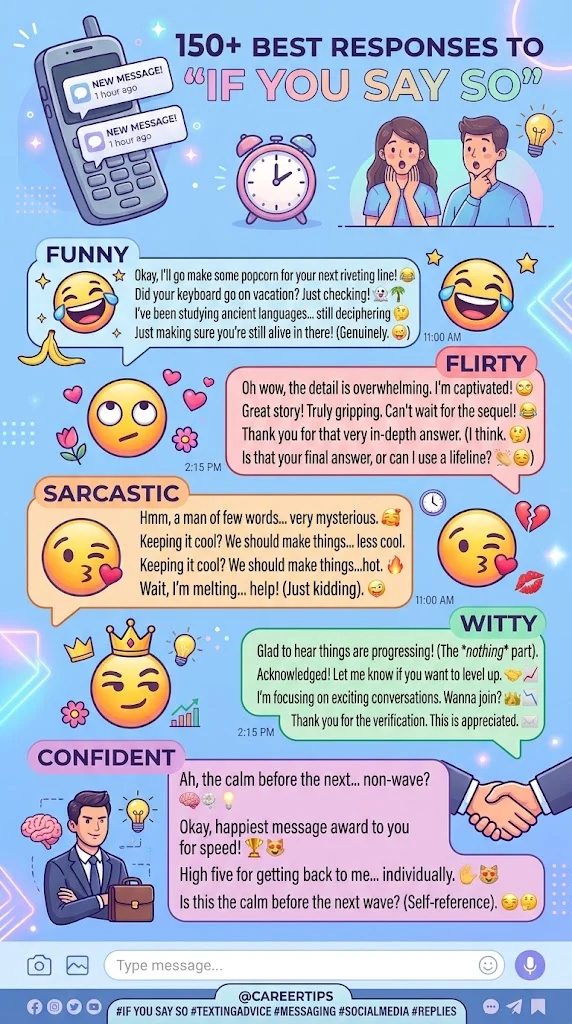
Quick Answer: The best responses to “if you say so” depend on the speaker’s tone and the situation. It can be a playful remark, a sarcastic comment, or a sign that someone doesn’t completely agree with you. A clever reply can keep things light or confidently address the attitude.
Top alternatives: “I do say so!”, “Believe what you want!”, “Well, that’s settled then!”, “You sound convinced!”, “Agree to disagree!”
We’ve all had those moments when we share an opinion, make a suggestion, or explain something, and the other person simply responds with, “If you say so.” Maybe it’s a friend giving you a hard time, someone you’re texting who doesn’t seem convinced, your partner being a little sarcastic, or a coworker who isn’t quite on the same page. Whatever the situation, that short little phrase can leave you wondering what they really mean. Are they joking, disagreeing, being sarcastic, or just trying to end the conversation? And more importantly, what’s the best way to respond without making things awkward?
That’s where a good comeback can make all the difference! The best responses to if you say so can help you keep things light, show confidence, or handle a little attitude without turning a simple exchange into an argument. Sometimes a funny one-liner is all you need to get a laugh, while other moments call for something clever, polite, or a little sarcastic. Whether you’re replying to a friend, texting your crush, or dealing with a dismissive comment, having the right words ready makes it easier to respond naturally and keep the conversation flowing.
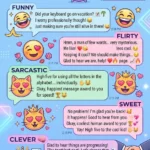
1. Funny Responses to If You Say So
Want to turn a slightly awkward moment into a laugh? These funny replies are perfect for friends, playful arguments, and everyday banter.
- I do, and I stand by it!
Example: When a friend jokingly doubts your opinion.
Meaning: You are confidently standing behind what you said. - Well, somebody has to be right around here!
Example: When joking with someone who rarely agrees with you.
Meaning: You are playfully claiming the winning side. - Glad we finally reached an agreement.
Example: When someone responds sarcastically to your suggestion.
Meaning: You are pretending their response means complete agreement. - Don’t hurt yourself agreeing with me.
Example: When a friend reluctantly accepts your point.
Meaning: You are teasing them for being hesitant. - I’ll take that as a standing ovation.
Example: When someone gives you an unenthusiastic response.
Meaning: You are exaggerating their reaction for humor. - Your enthusiasm is truly overwhelming.
Example: When someone responds without much excitement.
Meaning: You are playfully pointing out their lack of enthusiasm. - And that’s today’s breaking news!
Example: When someone makes a sarcastic remark during a casual chat.
Meaning: You are adding humor to an ordinary exchange. - Well, my work here is done.
Example: When someone stops arguing about your point.
Meaning: You are jokingly declaring victory. - Put that agreement in writing!
Example: When a friend finally accepts your suggestion.
Meaning: You are teasing them about agreeing with you. - Look at us, making progress already!
Example: When someone reluctantly accepts your opinion.
Meaning: You are making the situation sound like a major achievement. - I’ll try not to let the fame change me.
Example: When someone sarcastically acknowledges your point.
Meaning: You are joking about being right. - And the crowd goes mildly impressed!
Example: When someone gives you a half-hearted response.
Meaning: You are making fun of their lack of excitement.
2. Sarcastic Responses to If You Say So
Sometimes the best comeback is a little sarcasm. These replies work when someone is being dismissive or giving you an attitude-filled response.
- Wow, what a convincing argument.
Example: When someone dismisses your explanation without listening.
Meaning: You are sarcastically pointing out their lack of reasoning. - Your support means absolutely everything.
Example: When a friend responds with obvious sarcasm.
Meaning: You are highlighting their unhelpful reaction. - I can practically feel the enthusiasm.
Example: When someone sounds completely uninterested.
Meaning: You are teasing them about their tone. - Well, aren’t you full of confidence?
Example: When someone acts like they know better.
Meaning: You are sarcastically questioning their certainty. - Thanks for the deeply thoughtful response.
Example: When someone gives you a dismissive answer.
Meaning: You are pointing out how little effort they made. - That’s one way to contribute to a conversation.
Example: When someone refuses to engage properly.
Meaning: You are criticizing their lack of meaningful input. - I’ll treasure that feedback forever.
Example: When someone makes a sarcastic comment about your opinion.
Meaning: You are pretending their remark was valuable. - Your approval wasn’t exactly on my checklist.
Example: When someone seems determined to disagree with you.
Meaning: You are showing that their opinion doesn’t control your decisions. - Such powerful words of encouragement!
Example: When someone responds without offering support.
Meaning: You are sarcastically highlighting their lack of encouragement. - Well, that was incredibly reassuring.
Example: When someone responds in an unhelpful way.
Meaning: You are pointing out their lack of reassurance. - I’ll make sure to consult you next time.
Example: When someone acts unnecessarily superior.
Meaning: You are sarcastically questioning their attitude. - And here I was expecting a real response.
Example: When someone avoids giving an honest answer.
Meaning: You are expressing disappointment with their reply.
3. Clever Responses to If You Say So
A clever comeback can make your point without turning a small disagreement into a full argument. Try these witty responses when you want to sound sharp and composed.
- Confidence doesn’t require a committee vote.
Example: When someone questions your personal decision.
Meaning: You are reminding them that you can trust yourself. - Facts don’t need unanimous approval.
Example: When someone refuses to accept a reasonable point.
Meaning: You are emphasizing that agreement doesn’t determine truth. - Well, at least one of us is making sense.
Example: When joking during a friendly disagreement.
Meaning: You are playfully suggesting that your argument is stronger. - You don’t have to agree for me to be right.
Example: When someone dismisses your opinion.
Meaning: You are expressing confidence without seeking validation. - Let’s call that a difference in perspective.
Example: When a discussion reaches a disagreement.
Meaning: You are choosing a calm and intelligent response. - I’ll let the results speak for themselves.
Example: When someone doubts your plans.
Meaning: You are confident that your actions will prove your point. - Interesting way to avoid making a counterargument.
Example: When someone refuses to explain their disagreement.
Meaning: You are pointing out that they haven’t addressed your reasoning. - Agreement is optional, understanding isn’t.
Example: When someone misunderstands your explanation.
Meaning: You are emphasizing the importance of listening. - I appreciate the diplomatic conclusion.
Example: When someone wants to end a debate.
Meaning: You are acknowledging their response with subtle humor. - Well, the evidence is still on my side.
Example: When discussing something you can support with facts.
Meaning: You are confidently standing by your reasoning. - Not every opinion needs a standing ovation.
Example: When someone doesn’t support your point.
Meaning: You are showing that you don’t need applause or approval. - We can disagree without making it a personality trait.
Example: When a friendly discussion becomes unnecessarily personal.
Meaning: You are encouraging a more mature disagreement.
4. Confident Responses to If You Say So
Don’t let a dismissive remark make you second-guess yourself. These confident replies show that you’re comfortable with your opinions and decisions.
- Absolutely, and I mean it.
Example: When someone questions your confidence.
Meaning: You are firmly standing behind your statement. - I trust my judgment.
Example: When someone doubts a personal decision.
Meaning: You are expressing self-confidence. - You don’t have to believe me.
Example: When someone refuses to accept your explanation.
Meaning: You are showing that their approval isn’t necessary. - I’m comfortable with what I said.
Example: When someone challenges your opinion.
Meaning: You are showing that you have no reason to backtrack. - I know where I stand.
Example: When discussing something important to you.
Meaning: You are expressing certainty about your position. - I don’t need everyone to agree with me.
Example: When someone repeatedly questions your choices.
Meaning: You are showing independence and self-assurance. - That’s my honest opinion, and I’ll own it.
Example: When sharing your thoughts in a group discussion.
Meaning: You are taking responsibility for your perspective. - I’m not looking for permission.
Example: When someone acts as though they control your choices.
Meaning: You are establishing independence. - I said what I said.
Example: When someone challenges your statement repeatedly.
Meaning: You are confidently standing by your words. - My confidence isn’t up for debate.
Example: When someone tries to undermine your self-belief.
Meaning: You are protecting your confidence. - I have my reasons, and I’m good with them.
Example: When someone questions your decision.
Meaning: You are showing that your choices are considered. - You can have your opinion, and I’ll keep mine.
Example: When ending a disagreement respectfully.
Meaning: You are accepting different perspectives without changing yours.
5. Polite Responses to If You Say So
Not every sarcastic-sounding remark deserves a comeback. Sometimes a friendly and respectful response is the easiest way to keep things comfortable.
- That’s fair enough.
Example: When someone doesn’t completely agree with you.
Meaning: You are accepting their perspective politely. - We can agree to disagree.
Example: When a discussion reaches a natural stopping point.
Meaning: You are respecting different opinions. - I understand where you’re coming from.
Example: When someone expresses doubt about your opinion.
Meaning: You are acknowledging their perspective. - No worries, everyone sees things differently.
Example: When discussing a personal preference.
Meaning: You are showing acceptance and understanding. - That’s okay, I respect your opinion.
Example: When someone disagrees with your suggestion.
Meaning: You are keeping the exchange respectful. - I appreciate your honesty.
Example: When someone openly shares their doubts.
Meaning: You are acknowledging their willingness to be direct. - Fair point, let’s leave it there.
Example: When you want to end a minor disagreement.
Meaning: You are choosing not to prolong the discussion. - I didn’t mean to make it a debate.
Example: When a casual conversation becomes tense.
Meaning: You are trying to bring the discussion back to a friendly tone. - That’s one way of looking at it.
Example: When someone has a different interpretation.
Meaning: You are politely recognizing another perspective. - No problem, I was just sharing my thoughts.
Example: When someone seems uncomfortable with your opinion.
Meaning: You are clarifying that you weren’t demanding agreement. - I hear you, and that’s completely fine.
Example: When someone doesn’t share your point of view.
Meaning: You are showing that you value their perspective. - Let’s not make a big deal out of it.
Example: When a small disagreement starts becoming uncomfortable.
Meaning: You are choosing peace over unnecessary arguments.
6. Brutal but Respectful Responses to If You Say So
When someone repeatedly uses a dismissive tone, you can respond firmly without becoming unnecessarily rude. These replies make your boundaries clear.
- Your doubt doesn’t change my reality.
Example: When someone questions something you know to be true.
Meaning: You are refusing to let their skepticism affect you. - I wasn’t asking for your approval.
Example: When someone acts like their agreement is necessary.
Meaning: You are making your independence clear. - You can keep the attitude; I’ll keep my opinion.
Example: When someone responds disrespectfully during a disagreement.
Meaning: You are refusing to engage with their negative attitude. - If that’s all you’ve got, we’re done here.
Example: When someone keeps making dismissive remarks.
Meaning: You are ending an unproductive discussion. - Disagreement is fine; disrespect isn’t.
Example: When someone crosses the line during an argument.
Meaning: You are setting a clear boundary. - I expected a response, not a dismissal.
Example: When someone ignores the point you’re trying to make.
Meaning: You are asking for a more thoughtful exchange. - You don’t have to understand everything I do.
Example: When someone repeatedly questions your choices.
Meaning: You are asserting your right to make independent decisions. - Your sarcasm isn’t making your point stronger.
Example: When someone uses sarcasm instead of reasoning.
Meaning: You are challenging their communication style. - I’m happy to discuss it when you’re ready to be respectful.
Example: When a conversation becomes unnecessarily rude.
Meaning: You are setting expectations for respectful communication. - You can disagree without being dismissive.
Example: When someone responds with an attitude.
Meaning: You are calling attention to their behavior. - I don’t need to prove myself to someone who isn’t listening.
Example: When someone refuses to consider your explanation.
Meaning: You are choosing not to waste energy on an unproductive exchange. - Let’s save the sarcasm and stick to the point.
Example: When a discussion gets sidetracked by attitude.
Meaning: You are redirecting the conversation toward the actual issue.
7. Playful Responses to If You Say So
When the other person is teasing rather than being genuinely dismissive, a playful response can keep the mood fun.
- Now you’re getting the hang of it!
Example: When a friend jokingly accepts your suggestion.
Meaning: You are playfully encouraging their agreement. - That’s the spirit!
Example: When someone reluctantly goes along with your idea.
Meaning: You are making their response sound enthusiastic. - I’ll consider that a yes.
Example: When someone gives an uncertain response to your plans.
Meaning: You are teasing them about their hesitation. - See? We’re making progress.
Example: When a friend finally agrees with your opinion.
Meaning: You are joking about reaching an understanding. - Look who’s becoming reasonable!
Example: When someone changes their mind during friendly banter.
Meaning: You are playfully celebrating their agreement. - Don’t worry, I won’t make a big deal out of being right.
Example: When joking with someone who often disagrees with you.
Meaning: You are showing playful confidence. - I’ll accept that tiny victory.
Example: When someone gives you a reluctant acknowledgment.
Meaning: You are making a small win sound entertaining. - That’s the closest thing to a compliment I’ve received today.
Example: When a friend responds with mild sarcasm.
Meaning: You are turning their remark into a joke. - I knew you’d come around eventually.
Example: When someone starts agreeing with your idea.
Meaning: You are teasing them about changing their mind. - Don’t be shy, admit I’m onto something.
Example: When your friend seems impressed but won’t say it.
Meaning: You are playfully asking for recognition. - And suddenly, the room gets smarter.
Example: When someone jokingly acknowledges your point.
Meaning: You are exaggerating your cleverness for laughs. - We’ll call that a friendly little victory.
Example: When a casual disagreement ends on a positive note.
Meaning: You are keeping the interaction lighthearted.
8. Flirty Responses to If You Say So
If your crush or romantic interest says “If you say so,” you can use the moment to add a little charm. Keep it light and let their response guide the conversation.
- I say so, especially when it comes to you.
Example: When flirting with someone you’re interested in.
Meaning: You are adding a romantic touch to your confidence. - You make it sound like you don’t believe me.
Example: When your crush playfully questions your words.
Meaning: You are inviting them to continue the teasing. - Maybe I need to convince you over coffee.
Example: When turning a playful disagreement into a date invitation.
Meaning: You are suggesting spending time together. - I was hoping you’d trust my word.
Example: When someone special playfully doubts you.
Meaning: You are seeking a little affectionate reassurance. - You’re cute when you’re skeptical.
Example: When teasing someone you’re attracted to.
Meaning: You are turning their doubt into a compliment. - I could explain it better in person.
Example: When texting someone you want to meet.
Meaning: You are hinting at spending time together. - You always make me work for your agreement.
Example: When flirting with someone who likes playful banter.
Meaning: You are teasing them about their stubbornness. - Don’t pretend you aren’t impressed.
Example: When your crush responds with playful skepticism.
Meaning: You are confidently inviting a flirtatious reaction. - I’ll let you decide after our next date.
Example: When chatting with someone you’re already dating.
Meaning: You are introducing a romantic suggestion. - Your opinion matters, but your smile matters more.
Example: When trying to sweeten a playful disagreement.
Meaning: You are showing affection and admiration. - I promise I’m more convincing in person.
Example: When keeping a flirty text conversation going.
Meaning: You are creating an opportunity to meet. - Just wait until you discover what else I’m right about.
Example: When teasing someone you’re romantically interested in.
Meaning: You are showing playful confidence and charm.
9. Short and Witty Responses to If You Say So
Sometimes a quick comeback is all you need. These short replies are easy to remember and perfect for texting.
- Exactly!
Example: When someone reluctantly acknowledges your point.
Meaning: You are confidently confirming what you said. - You heard me!
Example: When a friend questions your statement.
Meaning: You are playfully reinforcing your opinion. - As you should!
Example: When someone jokingly accepts your point.
Meaning: You are teasing them about agreeing. - Fair enough!
Example: When someone wants to end a discussion.
Meaning: You are accepting their response without arguing. - That’s the idea!
Example: When someone understands your suggestion.
Meaning: You are confirming your intended meaning. - Believe it or not!
Example: When someone seems skeptical about your statement.
Meaning: You are standing by your words. - Glad we agree!
Example: When a conversation reaches a friendly conclusion.
Meaning: You are treating their response as agreement. - Your call!
Example: When someone doesn’t want to accept your suggestion.
Meaning: You are leaving the decision to them. - No pressure!
Example: When someone seems hesitant about your opinion.
Meaning: You are removing the expectation of agreement. - Suit yourself!
Example: When someone refuses to consider your suggestion.
Meaning: You are allowing them to make their own choice. - Point taken!
Example: When someone responds with a different perspective.
Meaning: You are acknowledging their position. - Moving right along!
Example: When you want to leave a minor disagreement behind.
Meaning: You are changing the subject without making things awkward.
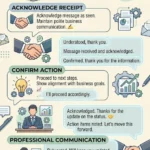
10. Professional Responses to If You Say So
At work, in meetings, or during professional conversations, it’s better to avoid personal jabs. These responses help you remain composed and respectful.
- I understand your perspective.
Example: When a colleague questions your suggestion.
Meaning: You are acknowledging their viewpoint professionally. - I’m happy to clarify my reasoning.
Example: When someone seems uncertain about your proposal.
Meaning: You are offering further explanation. - Let’s review the details before deciding.
Example: When discussing a workplace decision.
Meaning: You are encouraging an evidence-based discussion. - I appreciate your feedback.
Example: When a coworker responds with skepticism.
Meaning: You are keeping the conversation professional. - We may have different approaches, and that’s okay.
Example: When discussing alternative ways to complete a project.
Meaning: You are accepting professional differences. - Let’s focus on the facts.
Example: When a workplace discussion becomes dismissive.
Meaning: You are bringing attention back to useful information. - I’m open to hearing your concerns.
Example: When someone seems unconvinced by your recommendation.
Meaning: You are inviting constructive feedback. - I believe the reasoning supports my suggestion.
Example: When explaining a professional recommendation.
Meaning: You are expressing confidence in your analysis. - We can revisit this if needed.
Example: When a meeting discussion reaches a standstill.
Meaning: You are leaving room for future consideration. - I respect your position, even if mine differs.
Example: When handling a disagreement with a colleague.
Meaning: You are maintaining mutual respect. - Let’s make sure we’re on the same page.
Example: When someone appears to misunderstand your point.
Meaning: You are seeking clarity and alignment. - Thank you for sharing your thoughts.
Example: When ending a professional discussion politely.
Meaning: You are acknowledging their contribution.
11. Cute and Sweet Responses to If You Say So
A little sweetness can soften an otherwise awkward exchange. These replies work especially well with close friends, partners, and people you feel comfortable around.
- I say so, and I say it with love!
Example: When a loved one playfully questions your opinion.
Meaning: You are combining confidence with affection. - Come on, you know I have a point.
Example: When joking with someone close to you.
Meaning: You are gently asking them to recognize your reasoning. - I’ll always save a little patience for you.
Example: When teasing someone who disagrees with you.
Meaning: You are showing affection despite their stubbornness. - We don’t have to agree to get along.
Example: When a friendly disagreement starts getting serious.
Meaning: You are prioritizing your relationship over being right. - You’re allowed to disagree, but you’re still adorable.
Example: When your partner playfully challenges your opinion.
Meaning: You are turning a disagreement into a compliment. - I like that you keep me on my toes.
Example: When someone challenges your ideas regularly.
Meaning: You appreciate their ability to keep conversations interesting. - A little disagreement keeps things interesting.
Example: When teasing someone you care about.
Meaning: You are making a playful difference of opinion sound positive. - Let’s just agree to keep smiling.
Example: When a small disagreement isn’t worth pursuing.
Meaning: You are choosing happiness and connection. - You’re still my favorite person to disagree with.
Example: When joking with a romantic partner or close friend.
Meaning: You are expressing affection through playful teasing. - I promise I won’t hold your disagreement against you.
Example: When someone doesn’t accept your suggestion.
Meaning: You are reassuring them that there are no hard feelings. - A little patience and a little love go a long way.
Example: When trying to soften a tense conversation.
Meaning: You are encouraging understanding and kindness. - We make a pretty good team, even when we disagree.
Example: When discussing something with your partner.
Meaning: You are reminding them that your connection matters more.
12. Sarcastic but Classy Responses to If You Say So
Want to respond to someone’s attitude without sounding rude? These classy comebacks deliver a subtle message while keeping your composure.
- I’ll take that as your final position.
Example: When someone refuses to discuss an issue further.
Meaning: You are politely acknowledging their decision. - I appreciate the thoughtful contribution.
Example: When someone offers a dismissive comment.
Meaning: You are using subtle sarcasm to highlight their response. - Noted, even if not particularly helpful.
Example: When someone gives you an unproductive answer.
Meaning: You are acknowledging their words while expressing disappointment. - That’s certainly an interesting way to respond.
Example: When someone uses an unnecessary sarcastic tone.
Meaning: You are pointing out their attitude without insulting them. - I’ll leave you to your interpretation.
Example: When someone refuses to understand your explanation.
Meaning: You are choosing not to continue defending yourself. - I was hoping for a little more substance.
Example: When someone avoids addressing your actual point.
Meaning: You are politely asking for a meaningful response. - Well, that certainly concludes the discussion.
Example: When someone dismisses a conversation.
Meaning: You are acknowledging that there is little left to discuss. - Different perspectives make conversations interesting.
Example: When someone disagrees in a slightly dismissive way.
Meaning: You are keeping your response mature and composed. - I’ll respect your decision to leave it there.
Example: When someone doesn’t want to continue a discussion.
Meaning: You are accepting their choice without chasing agreement. - I suppose that’s one way to look at it.
Example: When someone offers an unconvincing opinion.
Meaning: You are acknowledging their view without endorsing it. - No need to force an agreement.
Example: When someone seems unwilling to understand your side.
Meaning: You are ending the disagreement gracefully. - Let’s leave room for a more productive conversation later.
Example: When a discussion becomes unnecessarily tense.
Meaning: You are suggesting a calmer discussion at another time.
13. Responses to If You Say So From Friends
Friends often use “if you say so” as playful teasing, especially when they know exactly how to push your buttons. These replies help you keep the friendship banter alive.
- You know I’m usually onto something.
Example: When your best friend questions your latest idea.
Meaning: You are joking about your usual good judgment. - That’s best-friend language for agreement.
Example: When a close friend reluctantly accepts your point.
Meaning: You are playfully interpreting their response as support. - Don’t make me remind you of all the times I was right.
Example: When a friend regularly doubts your opinions.
Meaning: You are teasing them about your past predictions. - I knew you’d eventually see the light.
Example: When a friend finally understands your point.
Meaning: You are celebrating their change of perspective. - Friendship means accepting my excellent opinions.
Example: When joking about a disagreement with your best friend.
Meaning: You are playfully demanding recognition. - I’ll forgive your temporary confusion.
Example: When your friend questions something obvious.
Meaning: You are teasing them without serious criticism. - You’re lucky I like you.
Example: When a friend responds with an attitude.
Meaning: You are showing affection through playful sarcasm. - We both know how this story ends.
Example: When you are confident your prediction will come true.
Meaning: You are playfully suggesting that you’ll be proven right. - I’ll let you have this one.
Example: When ending a harmless argument with a friend.
Meaning: You are pretending to surrender for fun. - Your stubbornness is almost impressive.
Example: When your friend refuses to agree with you.
Meaning: You are making light of their determination. - Some friendships are built on questionable opinions.
Example: When laughing about your different perspectives.
Meaning: You are celebrating your differences humorously. - Anyway, love you even when you’re wrong.
Example: When finishing a playful disagreement.
Meaning: You are reminding your friend that affection comes first.
14. Responses to If You Say So When Someone Is Being Dismissive
Sometimes the phrase isn’t playful at all. If someone uses it to brush off your feelings or avoid a serious discussion, these responses help you address the situation directly.
- I’d appreciate it if you took what I’m saying seriously.
Example: When someone dismisses an important concern.
Meaning: You are asking for respect and attention. - I’m trying to have an actual conversation here.
Example: When someone repeatedly responds without engaging.
Meaning: You are expressing frustration with their lack of participation. - You don’t have to agree, but please don’t dismiss me.
Example: When discussing something personally important.
Meaning: You are requesting respectful communication. - Is there something you’d like to say directly?
Example: When someone uses sarcasm instead of expressing their thoughts.
Meaning: You are inviting honest communication. - I’d rather understand your actual opinion.
Example: When someone gives an unclear or dismissive response.
Meaning: You are asking them to be more direct. - That response doesn’t really address what I said.
Example: When someone avoids discussing your main point.
Meaning: You are bringing attention back to the issue. - If you disagree, let’s talk about why.
Example: When trying to resolve a genuine disagreement.
Meaning: You are encouraging a constructive conversation. - I’m not asking you to agree, just to listen.
Example: When sharing something personal with someone close.
Meaning: You are asking for understanding rather than approval. - Your tone makes it difficult to continue this conversation.
Example: When someone responds disrespectfully during a serious discussion.
Meaning: You are explaining how their communication affects you. - Let’s talk when we’re both ready to listen.
Example: When a disagreement becomes emotionally uncomfortable.
Meaning: You are suggesting a healthier time to communicate. - I’d rather have an honest disagreement than a sarcastic response.
Example: When someone avoids expressing their real opinion.
Meaning: You are encouraging openness and sincerity. - I think we should pause this conversation for now.
Example: When an argument isn’t going anywhere.
Meaning: You are setting a boundary and preventing further tension.
15. Responses to If You Say So When You Want to End the Conversation
Not every disagreement needs a final comeback. Sometimes the smartest response is to move on and avoid giving a small remark more attention than it deserves.
- Anyway, moving on!
Example: When a casual disagreement has gone on long enough.
Meaning: You are changing the subject without further argument. - Let’s leave it at that.
Example: When neither person wants to change their opinion.
Meaning: You are ending the discussion calmly. - No hard feelings.
Example: When a disagreement ends between friends.
Meaning: You are showing that you aren’t holding a grudge. - Fair enough, have a good one!
Example: When ending a conversation with an acquaintance.
Meaning: You are closing the interaction politely. - We’ve both made our points.
Example: When a discussion reaches a natural conclusion.
Meaning: You are recognizing that there’s nothing more to add. - Let’s agree to move forward.
Example: When a minor disagreement needs to be put aside.
Meaning: You are prioritizing progress over continued debate. - It’s all good, no need to keep going.
Example: When a friendly discussion starts becoming repetitive.
Meaning: You are choosing to let the matter go. - We’ll leave that one unanswered.
Example: When a conversation isn’t worth continuing.
Meaning: You are ending the exchange with a little humor. - Different opinions, same respect.
Example: When ending a disagreement with someone you value.
Meaning: You are maintaining respect despite differences. - I think we’ve covered enough ground.
Example: When a conversation keeps circling back to the same point.
Meaning: You are signaling that the discussion is complete. - No need to make this bigger than it is.
Example: When someone continues arguing over something minor.
Meaning: You are encouraging everyone to move on. - Let’s save our energy for something more interesting.
Example: When a friendly debate becomes repetitive.
Meaning: You are suggesting a more positive use of your time.
FAQs
What does “If You Say So” mean?
It means someone is accepting your statement without necessarily agreeing or believing it.
Is “If You Say So” sarcastic?
It can be sarcastic, dismissive, playful, or completely neutral depending on the tone.
What does “If You Say So” mean from a crush?
It may be playful teasing or mild skepticism, depending on the conversation.
Is “If You Say So” rude?
Not always, but it can sound dismissive when delivered with an annoyed or sarcastic tone.
How do you respond to “If You Say So” politely?
Try saying, “That’s fair enough. We can agree to disagree.”
How do you respond professionally?
Say, “I understand your perspective. Let’s review the details together.”
What if someone says “If You Say So” sarcastically?
Stay calm and try, “You don’t have to agree, but I’d appreciate some respect.”
What is a funny response to “If You Say So”?
Try, “I’ll take that as a standing ovation!”
How do you respond when you don’t want to argue?
Simply say, “Fair enough, let’s move on.”
Is humor appropriate when someone says “If You Say So”?
Yes, when the conversation is friendly. Avoid jokes when someone is genuinely upset.
Conclusion
Knowing how to respond to “If You Say So” can save you from awkward pauses and help you handle all kinds of conversations with confidence. Whether someone is teasing you, being sarcastic, flirting, or simply expressing a different opinion, the right comeback can make all the difference. You don’t always need a sharp response, either.
Sometimes a funny one-liner, a polite acknowledgment, or a calm change of subject works even better. Choose a reply that matches the situation and feels natural to your personality. Save this list for your next unexpected exchange, share your favorite comebacks with friends, and never run out of words when the moment calls for them!