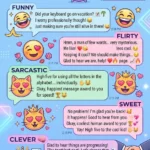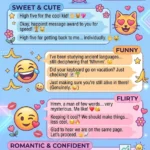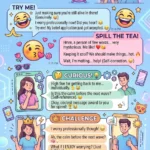
Quick Answer: The best responses to shut up depend on who’s saying it, how they’re saying it, and how you want to handle the situation. You can respond with humor, confidence, sarcasm, or class without making things unnecessarily awkward.
Top alternatives: “You first,” “Make me laugh instead,” “I wasn’t finished,” “Try asking nicely,” “That’s not how conversations work.”
We’ve all had those moments when we’re talking, joking around, or simply sharing our thoughts, and someone suddenly hits us with a “shut up.” Whether it’s a friend teasing you, someone being rude in a group chat, a random person getting disrespectful online, or a coworker making an unnecessary comment, knowing what to say next can make all the difference. Sometimes you want to laugh it off, sometimes you feel like throwing a little shade, and other times you just want to make it clear that you’re not okay with being spoken to that way. Of course, there’s also that classic moment when the perfect comeback pops into your head hours after the conversation is over!
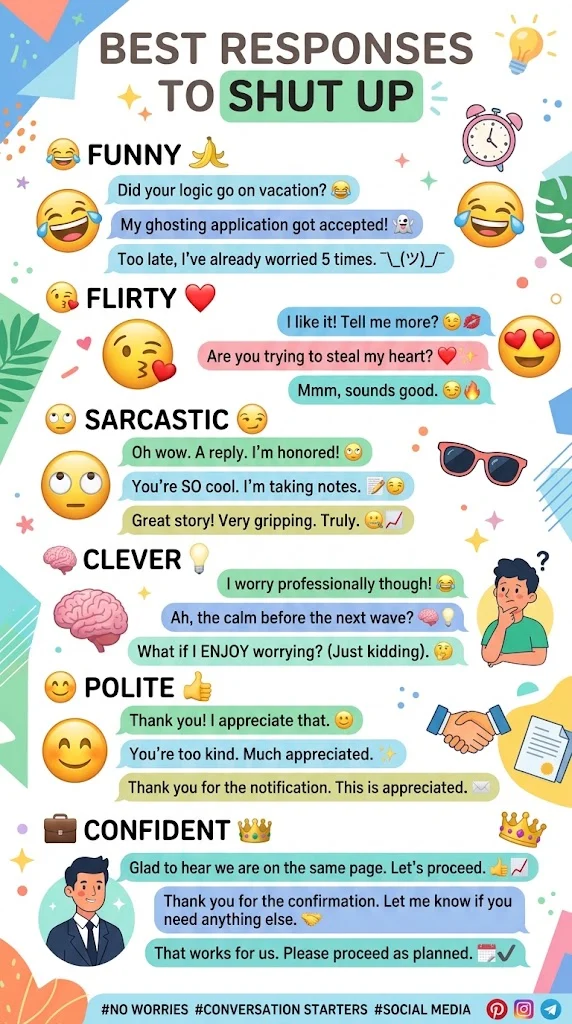
The best responses to shut up give you plenty of ways to handle these situations without making things more awkward than they need to be. You can keep things funny, reply with a little sarcasm, flirt back if the moment feels right, or stand your ground with a confident and respectful response. Whether you’re texting, chatting with friends, dealing with a rude comment, or having a heated conversation, the right words can help you get your point across while keeping your cool.
1. Funny Responses to Shut Up
Sometimes the best way to handle an unexpected “shut up” is with a little humor. These funny replies keep things light while showing that you aren’t taking the comment too seriously.
- Make me, I’m listening.
Example: When a friend playfully tells you to stop talking.
Meaning: You turn their comment into a funny challenge. - Sorry, my mute button is broken.
Example: When someone jokes about your nonstop talking.
Meaning: You respond with playful self-confidence. - I would, but silence doesn’t suit me.
Example: When friends tease you during a group conversation.
Meaning: You humorously celebrate your personality. - My podcast hasn’t finished yet.
Example: When someone interrupts your long story.
Meaning: You joke about having plenty more to say. - Did you order silence? It’s out of stock.
Example: When someone jokingly demands quiet.
Meaning: You make their request sound hilariously unreasonable. - Sorry, my mouth has unlimited data.
Example: When someone complains about your talking.
Meaning: You use internet humor to keep things playful. - I charge extra for silence.
Example: When a friend keeps asking you to stop talking.
Meaning: You turn their demand into a funny business deal. - Hold on, let me find my off switch.
Example: When someone playfully interrupts your story.
Meaning: You pretend that stopping your speech requires technical assistance. - Not until the commercial break.
Example: When someone tells you to stop during an entertaining story.
Meaning: You compare your conversation to a TV show. - My words are on a subscription plan.
Example: When someone jokes about your constant commentary.
Meaning: You humorously suggest your talking is a premium service. - Silence looks good on you, though.
Example: When a close friend starts teasing you.
Meaning: You return the joke with friendly sarcasm. - Sorry, I forgot you were the conversation police.
Example: When someone playfully tries to control the discussion.
Meaning: You make their interruption sound amusingly official.
2. Brutal Responses to Shut Up
When someone is genuinely disrespectful, a firm comeback can help you stand your ground. These replies are sharp, direct, and confident without relying on personal insults.
- Try speaking respectfully first.
Example: When someone rudely interrupts you.
Meaning: You make it clear that respect is expected. - Your attitude isn’t an argument.
Example: When someone uses rude language instead of explaining themselves.
Meaning: You challenge their behavior rather than their personality. - Being loud doesn’t make you right.
Example: During a heated disagreement.
Meaning: You remind them that volume doesn’t prove a point. - I don’t take orders from disrespectful people.
Example: When someone tries to control what you say.
Meaning: You confidently establish your boundaries. - Learn some manners before giving advice.
Example: When someone speaks rudely while criticizing you.
Meaning: You point out their lack of basic courtesy. - You can disagree without being disrespectful.
Example: When someone responds aggressively to your opinion.
Meaning: You separate disagreement from bad behavior. - That’s a poor way to make a point.
Example: When someone tells you to shut up during an argument.
Meaning: You criticize their approach instead of escalating. - Your frustration isn’t my responsibility.
Example: When someone takes their bad mood out on you.
Meaning: You refuse to accept unfair emotional treatment. - I won’t entertain that attitude.
Example: When someone repeatedly speaks disrespectfully.
Meaning: You make it clear that you’re ending the interaction. - Come back when you can communicate properly.
Example: When a discussion becomes unnecessarily rude.
Meaning: You set a condition for continuing the conversation. - Respect is a two-way street.
Example: When someone demands respect but refuses to show it.
Meaning: You remind them that courtesy works both ways. - You don’t get to silence me with bad manners.
Example: When someone tries to dismiss your opinion.
Meaning: You stand up for your right to speak.
3. Sarcastic Responses to Shut Up
A little sarcasm can make an awkward moment entertaining, especially when you’re dealing with someone who enjoys making unnecessary comments. These replies deliver attitude without getting too serious.
- What a beautifully constructed argument.
Example: When someone says shut up instead of explaining themselves.
Meaning: You sarcastically highlight their lack of reasoning. - Wow, such impressive communication skills.
Example: When someone responds rudely to your opinion.
Meaning: You mock their poor conversational approach. - I’ll add that to my list of important opinions.
Example: When someone gives you an unnecessary command.
Meaning: You show that their remark doesn’t impress you. - Did your manners take the day off?
Example: When someone speaks disrespectfully.
Meaning: You sarcastically question their behavior. - Thanks for that incredibly useful suggestion.
Example: When someone interrupts you with a rude comment.
Meaning: You make their unwanted advice sound ridiculous. - I’ll consider that request never.
Example: When a friend jokingly demands silence.
Meaning: You playfully refuse their request. - What would we do without your wisdom?
Example: When someone acts unnecessarily superior.
Meaning: You use sarcasm to challenge their attitude. - Did I accidentally join your dictatorship?
Example: When someone tries to control the conversation.
Meaning: You make their controlling behavior sound absurd. - A little politeness wouldn’t hurt.
Example: When someone makes a rude comment.
Meaning: You indirectly call out their manners. - That’s one way to admit you have no response.
Example: When someone tells you to shut up during a debate.
Meaning: You suggest they’ve run out of arguments. - I’ll wait for the intelligent response.
Example: When someone avoids answering your question.
Meaning: You challenge them to communicate more thoughtfully. - And here I thought we were having a conversation.
Example: When someone suddenly becomes dismissive.
Meaning: You point out how their attitude changed the discussion.
4. Polite Responses to Shut Up
Not every situation deserves an argument. Sometimes, a calm and respectful response makes a stronger impression than a clever comeback. Try these replies when you want to maintain your dignity.
- I’d appreciate a little more respect.
Example: When someone speaks rudely in a group.
Meaning: You politely request better treatment. - Please let me finish my point.
Example: When someone interrupts your explanation.
Meaning: You ask for the opportunity to speak. - There’s no need to speak that way.
Example: When someone becomes unnecessarily rude.
Meaning: You calmly address their tone. - I’m happy to listen if we can be respectful.
Example: When a disagreement starts getting uncomfortable.
Meaning: You show willingness to communicate peacefully. - Let’s keep this conversation constructive.
Example: During a disagreement with a friend or colleague.
Meaning: You encourage a more productive discussion. - I understand you’re upset, but please be respectful.
Example: When someone speaks harshly out of frustration.
Meaning: You acknowledge their feelings while setting boundaries. - I’d rather discuss this calmly.
Example: When an argument starts becoming heated.
Meaning: You prefer peaceful communication. - Please don’t dismiss my opinion.
Example: When someone refuses to hear your perspective.
Meaning: You ask them to take your thoughts seriously. - I think we can communicate better than this.
Example: When a conversation turns disrespectful.
Meaning: You encourage both sides to behave maturely. - Let me finish, and then I’ll hear you out.
Example: When someone repeatedly interrupts you.
Meaning: You suggest a fair approach to the discussion. - That’s not a very respectful way to respond.
Example: When someone makes a rude remark.
Meaning: You calmly identify inappropriate behavior. - We can agree to disagree without being rude.
Example: When discussing different opinions.
Meaning: You promote mutual respect despite disagreements.
5. Professional Responses to Shut Up
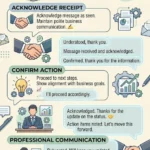
When someone tells you to shut up at work, in a meeting, or in a professional setting, your response should protect your reputation. Keep it composed, confident, and workplace-appropriate.
- I’d appreciate the opportunity to finish my statement.
Example: When a colleague interrupts your presentation.
Meaning: You professionally request time to speak. - Let’s maintain a respectful working environment.
Example: When someone makes a rude comment during a meeting.
Meaning: You emphasize workplace courtesy. - I’m open to feedback, not disrespect.
Example: When a colleague criticizes you rudely.
Meaning: You distinguish constructive feedback from inappropriate behavior. - Please allow me to complete my explanation.
Example: When someone interrupts you while discussing a project.
Meaning: You request uninterrupted speaking time. - Let’s focus on the issue rather than personal remarks.
Example: When a discussion becomes unnecessarily personal.
Meaning: You redirect attention to the actual topic. - I believe my input is relevant to this discussion.
Example: When someone dismisses your contribution in a meeting.
Meaning: You confidently defend your professional involvement. - I’m happy to continue when we’re communicating respectfully.
Example: When a colleague becomes verbally aggressive.
Meaning: You establish a professional boundary. - Let’s give everyone a chance to contribute.
Example: When someone dominates a team discussion.
Meaning: You encourage balanced participation. - That language isn’t appropriate for this setting.
Example: When someone uses disrespectful language at work.
Meaning: You identify unprofessional communication. - I’d prefer we address this professionally.
Example: When a workplace disagreement becomes heated.
Meaning: You encourage a mature resolution. - Please keep your feedback constructive.
Example: When receiving harsh comments about your work.
Meaning: You request useful and respectful criticism. - I think we should return to the agenda.
Example: When someone disrupts a formal meeting.
Meaning: You redirect the conversation toward its purpose.
6. Confident Responses to Shut Up
Confidence is about knowing your worth without needing to prove anything to everyone. These replies help you communicate self-respect while keeping your cool.
- I have every right to express myself.
Example: When someone tries to silence your opinion.
Meaning: You confidently defend your freedom of expression. - I know when my voice matters.
Example: When someone dismisses your contribution.
Meaning: You show belief in your own value. - I won’t apologize for having an opinion.
Example: When someone criticizes you for speaking honestly.
Meaning: You stand behind your perspective. - I can speak for myself, thank you.
Example: When someone tries to speak over you.
Meaning: You establish your independence. - My voice deserves respect too.
Example: When someone repeatedly interrupts you.
Meaning: You remind them that your thoughts matter. - I’m not here to make everyone comfortable.
Example: When someone dislikes your honest opinion.
Meaning: You refuse to hide your thoughts just to please others. - I don’t need permission to speak.
Example: When someone tries to control the discussion.
Meaning: You communicate independence and self-assurance. - Being respectful doesn’t mean being silent.
Example: When someone confuses politeness with agreeing.
Meaning: You show that boundaries and opinions can coexist. - I know my worth, and I know my voice.
Example: When someone tries to make you feel unimportant.
Meaning: You express confidence in yourself. - I choose when to speak and when to walk away.
Example: When someone tries to provoke you.
Meaning: You demonstrate control over your reactions. - You can dislike my opinion without silencing me.
Example: When someone disagrees with your viewpoint.
Meaning: You defend the right to have different perspectives. - I won’t shrink myself to suit your attitude.
Example: When someone makes you feel uncomfortable for speaking up.
Meaning: You refuse to make yourself smaller for others.
7. Clever Responses to Shut Up
Want a reply that makes someone pause and think? Clever responses use wordplay, logic, and unexpected observations to turn an awkward moment around.
- Is that your final argument?
Example: When someone tells you to shut up during a debate.
Meaning: You challenge them to offer a better response. - Silence doesn’t automatically mean agreement.
Example: When someone expects you to stop expressing disagreement.
Meaning: You explain that being quiet doesn’t mean accepting their opinion. - Interesting way to avoid answering my question.
Example: When someone responds rudely instead of giving an answer.
Meaning: You point out their avoidance. - I’d rather exchange ideas than commands.
Example: When someone tries to control a discussion.
Meaning: You value meaningful communication. - Words work better when they’re respectful.
Example: When someone speaks harshly during a disagreement.
Meaning: You highlight the importance of thoughtful language. - A conversation needs two listening ears.
Example: When someone refuses to hear your perspective.
Meaning: You remind them that communication requires listening. - That’s a request, not a convincing argument.
Example: When someone tries to end a debate with an order.
Meaning: You distinguish commands from reasoning. - Let’s try facts instead of frustration.
Example: When someone becomes emotional during a disagreement.
Meaning: You encourage logical discussion. - You can pause the conversation without dismissing me.
Example: When someone wants to end a discussion rudely.
Meaning: You suggest a more considerate alternative. - Listening is also part of communicating.
Example: When someone keeps interrupting you.
Meaning: You highlight the importance of hearing others. - I’d love to hear an actual counterpoint.
Example: When someone refuses to address your argument.
Meaning: You invite a meaningful response. - A little dialogue goes a long way.
Example: When someone tries to end a conversation abruptly.
Meaning: You encourage open communication.
8. Short and Witty Responses to Shut Up
Sometimes a quick one-liner is all you need. These short replies are perfect for texting, comments, group chats, and everyday conversations.
- You first.
Example: When a friend playfully tells you to stop talking.
Meaning: You return the playful challenge. - After you.
Example: When someone jokingly demands silence.
Meaning: You respond with cheeky politeness. - Nice try.
Example: When someone attempts to interrupt you.
Meaning: You show that their comment hasn’t worked. - Noted, ignored.
Example: When someone gives you an unnecessary command.
Meaning: You acknowledge the comment without accepting it. - Make me.
Example: When teasing someone you’re comfortable with.
Meaning: You turn their words into a playful challenge. - Respectfully, no.
Example: When someone rudely tells you to stop speaking.
Meaning: You politely refuse their demand. - Keep dreaming.
Example: When a friend jokingly tries to silence you.
Meaning: You playfully reject their suggestion. - That’s adorable.
Example: When someone tries to boss you around.
Meaning: You respond with lighthearted sarcasm. - Try again.
Example: When someone makes a rude request.
Meaning: You suggest they could communicate better. - Not happening.
Example: When someone demands that you stay quiet.
Meaning: You firmly reject the request. - Use your manners.
Example: When someone speaks disrespectfully.
Meaning: You remind them to be polite. - Conversation isn’t over.
Example: When someone interrupts your explanation.
Meaning: You make it clear that you still have something to say.
9. Playful Responses to Shut Up
When the comment comes from someone you’re close to, a playful reply can keep the friendship fun. These responses are great for harmless teasing and friendly banter.
- Only if you say please.
Example: When your best friend jokingly tells you to stop talking.
Meaning: You turn the request into a playful negotiation. - You’re lucky I like you.
Example: When someone you love keeps teasing you.
Meaning: You show affection while pretending to be annoyed. - Aww, you love my voice.
Example: When a close friend complains about your talking.
Meaning: You turn their teasing into a compliment. - Someone woke up bossy today.
Example: When a friend starts giving you unnecessary orders.
Meaning: You gently tease their behavior. - I’ll stop when the story ends.
Example: When you’re sharing an exciting story.
Meaning: You playfully insist on finishing your tale. - You can’t handle this much entertainment.
Example: When your friends joke about your nonstop talking.
Meaning: You jokingly describe yourself as entertaining. - That’s not very friendly of you.
Example: When a close friend playfully interrupts you.
Meaning: You pretend to be offended for fun. - I thought you enjoyed my company.
Example: When someone close asks you to be quiet.
Meaning: You turn the comment into affectionate teasing. - Fine, I’ll communicate through interpretive dance.
Example: When friends jokingly demand silence.
Meaning: You offer an exaggerated alternative to talking. - My stories deserve an audience.
Example: When sharing something funny with your friends.
Meaning: You humorously defend your storytelling skills. - You’re getting a little too comfortable.
Example: When a friend starts bossing you around.
Meaning: You tease them about their familiarity. - Don’t worry, your favorite speaker is still here.
Example: When someone playfully complains about your talking.
Meaning: You jokingly celebrate your entertaining personality.
10. Flirty Responses to Shut Up
When your crush or partner tells you to shut up in a playful way, you can turn the moment into a little flirting. These replies work best when you already share a comfortable, teasing connection.
- Only if you kiss me first.
Example: When your partner playfully tells you to be quiet.
Meaning: You turn the request into a romantic tease. - You just love hearing my voice.
Example: When your crush jokes about your talking.
Meaning: You playfully suggest they’re secretly interested. - Make me forget what I was saying.
Example: When exchanging flirty messages with someone special.
Meaning: You invite a little romantic teasing. - I thought you liked my attention.
Example: When someone you’re dating asks you to stop talking.
Meaning: You flirt by pretending they’re asking for attention. - You’re cute when you’re bossy.
Example: When your partner playfully gives you an order.
Meaning: You turn their attitude into a compliment. - Only because your smile distracted me.
Example: When flirting with someone who makes you nervous.
Meaning: You use affection to change the mood. - I’d rather whisper something sweet.
Example: When having a romantic conversation.
Meaning: You turn the moment into a softer flirt. - You could ask me a little more sweetly.
Example: When your crush jokingly tells you to stop talking.
Meaning: You invite them to be more affectionate. - Are you trying to steal my attention?
Example: When someone special interrupts your story.
Meaning: You suggest their teasing is a way of flirting. - Your wish is my command, sweetheart.
Example: When playfully responding to your partner.
Meaning: You show affection through exaggerated politeness. - I could listen to you all day instead.
Example: When your crush tells you to be quiet.
Meaning: You express interest in hearing more from them. - Careful, I might start missing your voice.
Example: When teasing someone you’re romantically interested in.
Meaning: You turn a simple exchange into affectionate flirting.
11. Dramatic Responses to Shut Up
Some moments deserve a little theatrical energy. If your friends enjoy your dramatic personality, these exaggerated replies can make the whole situation hilarious.
- And just like that, my freedom is gone.
Example: When a friend tells you to stop talking.
Meaning: You dramatically pretend your freedom has been taken away. - I cannot believe I’m being silenced.
Example: When someone interrupts your story.
Meaning: You exaggerate the situation for entertainment. - Tell my story when I’m gone.
Example: When your friends jokingly demand silence.
Meaning: You turn a small moment into a dramatic farewell. - This is the end of my speaking era.
Example: When someone complains about your talking.
Meaning: You humorously announce a fictional retirement. - My voice deserves a standing ovation.
Example: When you’re entertaining friends with a long story.
Meaning: You jokingly celebrate your own commentary. - I was born to speak, not to stay silent.
Example: When someone tells you to stop sharing your thoughts.
Meaning: You dramatically defend your expressive personality. - The world will never hear my final thoughts.
Example: When a friend interrupts you mid-story.
Meaning: You exaggerate the importance of what you were saying. - A tragic ending to a beautiful conversation.
Example: When someone suddenly ends a fun discussion.
Meaning: You turn the moment into a theatrical tragedy. - I shall remember this betrayal forever.
Example: When your best friend jokingly tells you to be quiet.
Meaning: You pretend to be deeply offended for fun. - Let the silence speak for itself.
Example: When you decide to stop participating in an argument.
Meaning: You make your exit sound dramatic and meaningful. - My microphone has been taken away.
Example: When someone interrupts your group conversation.
Meaning: You compare their comment to being removed from a stage. - The audience has clearly lost its appreciation for talent.
Example: When your friends stop listening to your funny story.
Meaning: You jokingly describe yourself as an unappreciated performer.
12. Chill and Casual Responses to Shut Up
Not every comment needs a clever comeback. Sometimes keeping things casual is the easiest way to avoid unnecessary drama.
- Okay, what’s the problem?
Example: When someone unexpectedly tells you to stop talking.
Meaning: You calmly ask what is bothering them. - Alright, let’s move on.
Example: When a conversation starts becoming uncomfortable.
Meaning: You choose to leave the disagreement behind. - No worries, I was almost done.
Example: When someone casually interrupts your explanation.
Meaning: You respond without making the situation bigger. - Fair enough, your turn.
Example: When a friend wants to contribute to the conversation.
Meaning: You casually give them the opportunity to speak. - I’ll let you have the floor.
Example: When someone wants to share their opinion.
Meaning: You politely hand over the conversation. - Let’s take a breath.
Example: When a discussion starts getting heated.
Meaning: You encourage everyone to relax. - I hear you.
Example: When someone expresses frustration.
Meaning: You acknowledge their feelings without arguing. - It’s all good.
Example: When a harmless comment comes from a friend.
Meaning: You show that you aren’t bothered. - We can talk about it later.
Example: When the timing isn’t right for a discussion.
Meaning: You suggest continuing when everyone is calmer. - Alright, moving on.
Example: When you don’t want to spend more time arguing.
Meaning: You choose to redirect the conversation. - Let’s keep things easy.
Example: When a friendly discussion becomes tense.
Meaning: You encourage a relaxed atmosphere. - No big deal.
Example: When someone makes a casual request for silence.
Meaning: You show that the situation doesn’t bother you.
13. Emotional and Mature Responses to Shut Up
Sometimes those two words hurt more than people realize, especially when they come from someone important to you. These mature responses help express your feelings without starting another argument.
- That actually hurt my feelings.
Example: When someone close to you dismisses you.
Meaning: You honestly express the emotional impact of their words. - I was only trying to share how I feel.
Example: When your partner interrupts an emotional conversation.
Meaning: You explain that your intention was to connect. - I deserve to be heard too.
Example: When someone repeatedly ignores your perspective.
Meaning: You communicate your need for emotional consideration. - Please don’t make me feel small for speaking.
Example: When someone dismisses your thoughts.
Meaning: You explain how their behavior affects your confidence. - I wish we could talk without hurting each other.
Example: When an argument with someone you love becomes personal.
Meaning: You express a desire for healthier communication. - I wasn’t trying to upset you.
Example: When someone reacts harshly to your honest opinion.
Meaning: You clarify your intentions and reduce tension. - Your words matter to me, so does mine.
Example: When discussing something important with your partner.
Meaning: You ask for mutual emotional respect. - I’d rather be understood than silenced.
Example: When someone refuses to hear your feelings.
Meaning: You express your desire for genuine connection. - Let’s understand each other instead of arguing.
Example: When a disagreement becomes emotionally exhausting.
Meaning: You prioritize understanding over winning. - I need you to listen, not dismiss me.
Example: When someone repeatedly ignores your concerns.
Meaning: You clearly communicate your emotional needs. - We don’t have to agree to respect each other.
Example: When someone disagrees with something personal you’ve shared.
Meaning: You encourage acceptance despite different opinions. - I care about this conversation, and I care about respect.
Example: When trying to resolve a disagreement with someone important.
Meaning: You show that both the relationship and mutual respect matter.
14. Sweet Responses to Shut Up
If the person is teasing you affectionately, there’s no reason to turn the moment into an argument. These sweet replies keep the exchange warm and positive.
- Aww, you know you love listening to me.
Example: When your partner playfully complains about your stories.
Meaning: You respond with affectionate teasing. - Okay, but stay a little longer.
Example: When someone special asks you to be quiet.
Meaning: You show that you enjoy their company. - I’ll save my stories for you later.
Example: When your friend is too busy to listen.
Meaning: You express affection and consideration. - Your smile makes me forget everything anyway.
Example: When flirting with someone you care about.
Meaning: You offer a sweet compliment. - Only because you’re asking so nicely.
Example: When someone playfully requests a little quiet.
Meaning: You show playful affection. - You make silence feel comfortable.
Example: When spending time with someone special.
Meaning: You express that their presence is enough. - Fine, but I’m still thinking about you.
Example: When exchanging sweet messages with your crush.
Meaning: You turn the moment into a romantic compliment. - I’ll listen to your stories instead.
Example: When a friend wants to take over the conversation.
Meaning: You show interest in what they have to say. - You’re too cute to argue with.
Example: When your partner playfully tells you to stop talking.
Meaning: You replace disagreement with affection. - A little quiet time with you sounds lovely.
Example: When enjoying a peaceful moment together.
Meaning: You express appreciation for their company. - Okay, sending you a smile instead.
Example: When someone special wants you to stop talking.
Meaning: You keep the interaction positive and affectionate. - You always know how to make me smile.
Example: When someone teases you in a sweet way.
Meaning: You show that their playful behavior makes you happy.
15. Boundary-Setting Responses to Shut Up
If someone repeatedly tells you to shut up or tries to control your voice, it’s okay to establish clear boundaries. These responses are especially useful when jokes stop being funny and disrespect becomes a pattern.
- Don’t speak to me that way.
Example: When someone repeatedly uses disrespectful language.
Meaning: You clearly communicate what behavior you won’t accept. - I won’t continue this conversation if you insult me.
Example: When an argument becomes verbally disrespectful.
Meaning: You establish a limit on unacceptable communication. - You can ask for space without being rude.
Example: When someone demands silence aggressively.
Meaning: You explain that their needs don’t justify disrespect. - Please respect my boundaries.
Example: When someone repeatedly dismisses your requests.
Meaning: You ask them to respect your personal limits. - I’m ending this conversation for now.
Example: When a discussion becomes emotionally exhausting.
Meaning: You choose to remove yourself from the situation. - I won’t accept being spoken to like that.
Example: When someone makes disrespectful comments.
Meaning: You firmly defend your dignity. - If you need quiet, just communicate that respectfully.
Example: When someone wants you to stop talking.
Meaning: You suggest a healthier way to express their needs. - My silence shouldn’t be demanded.
Example: When someone repeatedly tries to control your speech.
Meaning: You stand up for your independence. - We can talk when you’re ready to be respectful.
Example: When someone refuses to communicate calmly.
Meaning: You leave room for a healthier conversation later. - I won’t argue just to prove my worth.
Example: When someone tries to provoke you repeatedly.
Meaning: You refuse to get caught in unnecessary conflict. - Please don’t confuse my patience with permission.
Example: When someone repeatedly crosses your boundaries.
Meaning: You make it clear that your kindness has limits. - I deserve respect, even when we disagree.
Example: When someone uses disagreements as an excuse for rude behavior.
Meaning: You reinforce your right to respectful treatment.
FAQs
What does “shut up” mean? It usually means telling someone to stop talking, often in a rude or forceful way.
What does it mean when someone playfully says shut up? It may express teasing, surprise, embarrassment, or friendly affection.
What is a flirty response to shut up? Try “Only if you kiss me first” when the flirting is mutual.
How do you respond to shut up professionally? Say, “I’d appreciate the opportunity to finish my statement.”
What should you say if you don’t actually want to respond? Simply say nothing, change the subject, or walk away.
Is humor appropriate when someone says shut up? Yes, if the situation is friendly and everyone understands the joke.
How do you respond when someone says shut up rudely? Say, “Don’t speak to me that way” and establish a clear boundary.
What is the best short comeback to shut up? “You first” is a quick, playful option for friendly situations.
Should you say shut up back to someone? Not necessarily. A confident, respectful response usually works better.
How do you respond to shut up in a text? Try “Try asking nicely” or “That’s not how conversations work.”
Conclusion
Knowing how to respond when someone tells you to shut up isn’t about having the last word every time. It’s about expressing yourself confidently, protecting your boundaries, and choosing a response that matches the situation. Whether you prefer funny comebacks, clever one-liners, flirty replies, or professional responses, there’s always a way to handle the moment without losing your cool.
Remember, you don’t have to turn every comment into an argument, and you certainly don’t have to accept disrespect. Save your favorite replies, share this list with your friends, and try a few the next time someone catches you off guard. Keep your confidence, own your voice, and let your words do the talking!