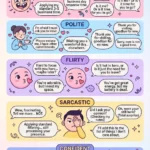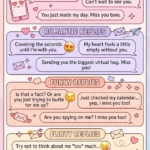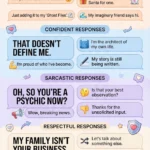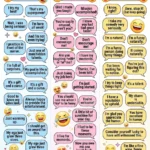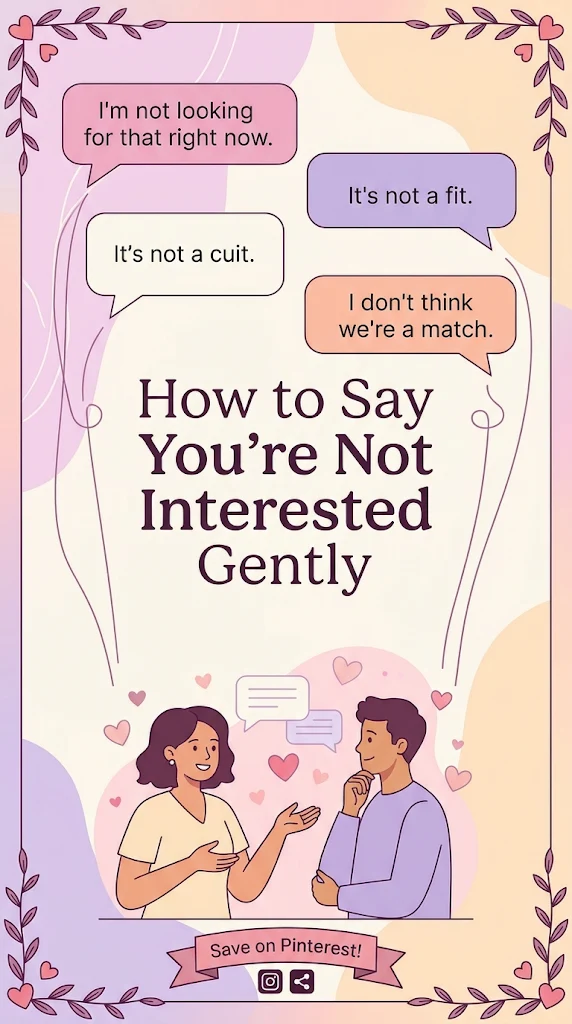
Quick Answer: The best responses to say you’re not interested gently are honest, kind, and respectful without giving someone false hope. Whether you’re responding to a crush, a dating invitation, a personal confession, or an unwanted advance, the right words can help you set boundaries while keeping things comfortable.
Top alternatives: “I appreciate you, but I don’t feel the same way,” “You’re lovely, but I don’t see us that way,” “I don’t want to lead you on,” “I think we’re better as friends,” “I wish you all the best.”
Turning someone down can feel a little awkward, especially when they’re genuinely nice or seem really interested in getting to know you. Maybe someone has asked you out, your crush is showing interest, or a friendly conversation is slowly turning into something more. You know you don’t feel the same way, but finding the right words isn’t always easy. You don’t want to sound rude, make things uncomfortable, or hurt someone’s feelings unnecessarily.
The good news is that you don’t need a long explanation to let someone down gently. A little honesty, kindness, and the right choice of words can make the situation much easier. Whether you’re replying to a text, turning down a date, or setting boundaries with someone you know, these best responses to say you’re not interested gently will help you get your point across without making things awkward. Because being nice is important, but being honest about your feelings matters just as much!
1. Polite Responses to Say You’re Not Interested
Sometimes, a simple and respectful response is all you need. These replies work when someone expresses interest but you don’t feel the same way.
- I appreciate you, but I don’t feel the same way.
Example: When someone tells you they have romantic feelings for you.
Meaning: Shows appreciation while honestly communicating your feelings. - Thank you for being honest, but I’m not interested.
Example: When someone openly admits they like you.
Meaning: Acknowledges their honesty without suggesting romantic interest. - You’re a lovely person, but I don’t see us that way.
Example: When a kind person asks you out.
Meaning: Separates your opinion of them from your romantic feelings. - I hope you understand, but I’m going to say no.
Example: When declining a date invitation.
Meaning: Communicates a gentle but clear refusal. - I appreciate the offer, but I’ll have to pass.
Example: When someone invites you on a romantic date.
Meaning: Declines without making the situation uncomfortable. - You’re sweet, but I don’t think we’re a match.
Example: When someone expresses interest after getting to know you.
Meaning: Politely explains that you don’t feel compatible. - I respect your feelings, but I don’t share them.
Example: When someone confesses their feelings.
Meaning: Recognizes their emotions while being truthful about yours. - Thank you, but I don’t think this is right for me.
Example: When someone suggests starting a relationship.
Meaning: Sets a personal boundary without blaming anyone. - I’d rather be honest than give you the wrong impression.
Example: When you notice someone becoming emotionally attached.
Meaning: Shows consideration by avoiding misleading signals. - I hope we can keep things respectful.
Example: When turning down someone you see regularly.
Meaning: Expresses a desire to maintain a comfortable relationship. - I’m flattered, but I don’t feel a romantic connection.
Example: When someone asks whether you would consider dating them.
Meaning: Appreciates their interest while making your position clear. - I wish you the best, but I don’t think we’re right for each other.
Example: When ending a conversation about potential dating.
Meaning: Offers a considerate closing without leaving expectations open.
2. Gentle Responses That Won’t Hurt Their Feelings
If you’re worried about making someone feel rejected, choose words that acknowledge their feelings without compromising your own boundaries.
- I think you’re wonderful, but my feelings are different.
Example: When a close friend develops romantic feelings.
Meaning: Shows kindness while explaining that the attraction isn’t mutual. - Please don’t take it personally; I just don’t feel that connection.
Example: When someone seems nervous about your answer.
Meaning: Softens the rejection without changing its meaning. - You deserve someone who feels the same way about you.
Example: When someone wants a relationship you cannot offer.
Meaning: Encourages them to find mutual affection elsewhere. - I genuinely wish things were different, but I don’t feel that way.
Example: When someone you respect expresses romantic interest.
Meaning: Communicates empathy without pretending to have feelings. - I hope you know this isn’t a reflection of your worth.
Example: When someone takes your rejection to heart.
Meaning: Reminds them that romantic compatibility doesn’t determine their value. - I think you’re great, but I don’t want to give you false hope.
Example: When someone keeps trying to get closer to you.
Meaning: Prevents misunderstandings while remaining considerate. - I value your kindness, but I don’t see a relationship happening.
Example: When someone consistently treats you affectionately.
Meaning: Appreciates their behavior without encouraging romance. - I hope you meet someone who makes you feel equally appreciated.
Example: When gently ending a romantic conversation.
Meaning: Wishes them a fulfilling connection with someone compatible. - I don’t want to hurt you by pretending to feel something I don’t.
Example: When someone asks whether you could eventually fall for them.
Meaning: Explains why honesty is kinder than pretending. - You’re deserving of love, just not the kind I can offer.
Example: When someone wants more emotional commitment.
Meaning: Expresses compassion while maintaining your decision. - I hope we can both move forward without any hard feelings.
Example: When declining someone you have known for a while.
Meaning: Encourages a peaceful understanding. - I appreciate your feelings, and I hope you can respect mine too.
Example: When someone struggles to accept your answer.
Meaning: Promotes mutual respect and healthy boundaries.
3. Short and Simple Responses to You’re Not Interested
Not every situation needs a long explanation. These short replies are perfect for texts, DMs, and everyday conversations.
- I don’t feel the same way.
Example: When someone asks if you’re interested in dating.
Meaning: Gives a direct and uncomplicated answer. - I’m going to pass, but thank you.
Example: When declining a date invitation.
Meaning: Politely communicates your decision. - I don’t think we’re a match.
Example: When ending a conversation on a dating app.
Meaning: Indicates that you don’t see romantic compatibility. - You’re nice, but it’s a no for me.
Example: When someone asks you out casually.
Meaning: Keeps the refusal friendly and clear. - I don’t see us together.
Example: When someone talks about becoming a couple.
Meaning: Communicates that you don’t envision a relationship. - I’m not feeling that connection.
Example: When the conversation turns romantic.
Meaning: Explains that the attraction isn’t mutual. - I think we’re better off as friends.
Example: When a friend expresses romantic interest.
Meaning: Suggests friendship instead of romance. - That’s kind of you, but no thank you.
Example: When someone offers you a romantic opportunity.
Meaning: Declines politely without overexplaining. - I don’t want to pursue anything romantic.
Example: When someone asks about your intentions.
Meaning: Establishes a straightforward romantic boundary. - I appreciate it, but I’m not interested.
Example: When someone approaches you with romantic intentions.
Meaning: Expresses gratitude while declining. - I don’t think this is for me.
Example: When deciding not to continue dating someone.
Meaning: Shares your personal decision without assigning blame. - I wish you well, but I’m going to say no.
Example: When closing an invitation politely.
Meaning: Combines a firm refusal with goodwill.
4. Mature and Respectful Responses
Maturity means being honest, emotionally considerate, and comfortable with your boundaries. These responses are ideal when you want to handle rejection with grace.
- I believe honesty is important, so I want to be upfront with you.
Example: When someone starts discussing a possible relationship.
Meaning: Establishes an honest foundation for your response. - I respect you enough not to pretend there’s something more.
Example: When someone is emotionally invested in you.
Meaning: Shows that you value honesty over temporary comfort. - I don’t think pursuing this would be fair to either of us.
Example: When someone wants to take your friendship further.
Meaning: Explains that continuing would create unrealistic expectations. - I understand your feelings, but my decision is different.
Example: When someone asks you to reconsider.
Meaning: Recognizes their perspective while maintaining your choice. - I’d rather communicate clearly than create confusion.
Example: When someone is unsure about your intentions.
Meaning: Prioritizes direct communication and emotional clarity. - I don’t want to start something without genuine interest.
Example: When someone suggests giving dating a chance.
Meaning: Emphasizes the importance of authentic feelings. - I think it’s better for both of us to be honest about this.
Example: When discussing whether a relationship could work.
Meaning: Encourages an honest and respectful conversation. - I don’t want either of us investing in something that isn’t mutual.
Example: When someone expects a serious commitment.
Meaning: Avoids creating unequal emotional expectations. - My feelings haven’t developed in that direction.
Example: When a friendship starts becoming romantic.
Meaning: Explains that your emotions haven’t become romantic. - I appreciate your interest, but I don’t see a future romantically.
Example: When someone asks about a long-term relationship.
Meaning: Gives an honest answer about your intentions. - I think we should acknowledge that we’re looking for different things.
Example: When your relationship expectations don’t align.
Meaning: Recognizes incompatibility without criticizing either person. - I hope we can handle this with understanding and respect.
Example: When having a serious conversation about rejection.
Meaning: Encourages both people to respond maturely.
5. Friendly Responses When You Want to Stay Friends
Sometimes you genuinely enjoy someone’s company but don’t want a romantic relationship. These replies help communicate that distinction.
- I really enjoy your company, but only as a friend.
Example: When a good friend admits having feelings for you.
Meaning: Shows that you value their friendship without romantic interest. - I’d love for us to keep the friendship, if you’re comfortable with that.
Example: When someone asks you to take things further.
Meaning: Expresses interest in maintaining a friendship without pressure. - You’re an amazing friend, and that’s how I see you.
Example: When someone mistakes your friendliness for flirting.
Meaning: Clarifies the nature of your relationship. - I don’t want to risk confusing our friendship with romance.
Example: When a longtime friend suggests dating.
Meaning: Explains why you prefer keeping things platonic. - I value what we have, but I don’t want anything romantic.
Example: When someone wants to change your friendship.
Meaning: Protects the friendship while setting clear expectations. - You’re someone I’d definitely like to keep in my life as a friend.
Example: When declining someone you genuinely enjoy spending time with.
Meaning: Communicates that you still appreciate their presence. - I think our friendship works beautifully as it is.
Example: When a friend suggests becoming a couple.
Meaning: Shows that you prefer the existing friendship dynamic. - I hope this doesn’t make things awkward between us.
Example: When responding to a friend’s confession.
Meaning: Expresses a desire to keep interactions comfortable. - I’d rather be your honest friend than a partner without genuine feelings.
Example: When someone asks you to give the relationship a chance.
Meaning: Emphasizes the value of an authentic friendship. - I care about you, just not in a romantic way.
Example: When someone misunderstands your affection.
Meaning: Distinguishes friendly care from romantic attraction. - I hope we can keep sharing laughs and good conversations as friends.
Example: When you want to preserve a positive connection.
Meaning: Offers a friendly alternative to dating. - I don’t want to promise romance when friendship is what I can offer.
Example: When someone wants a commitment you cannot provide.
Meaning: Makes your intentions clear without misleading them.
6. Confident Responses That Set Clear Boundaries
Being gentle doesn’t mean being uncertain. These replies help you stand by your decision without sounding disrespectful.
- I’m comfortable with my decision, and I hope you can respect it.
Example: When someone repeatedly questions your rejection.
Meaning: Shows confidence in your personal choice. - I know what I want, and this isn’t it.
Example: When someone tries to convince you to date them.
Meaning: Communicates certainty without unnecessary explanation. - I don’t owe anyone romantic feelings, and I want to be honest about mine.
Example: When someone makes you feel guilty for saying no.
Meaning: Reinforces your right to choose your relationships. - My answer is no, and I hope we can leave it there.
Example: When someone refuses to accept your decision.
Meaning: Establishes a firm boundary. - I appreciate your interest, but I’m not changing my mind.
Example: When someone continues asking after you’ve declined.
Meaning: Makes it clear that your decision is final. - I’m not interested in taking this any further.
Example: When ending an unwanted romantic conversation.
Meaning: Communicates that you don’t want additional romantic involvement. - Please respect my feelings the way I respect yours.
Example: When someone dismisses your rejection.
Meaning: Requests equal consideration and understanding. - I don’t need to justify why I don’t feel a connection.
Example: When someone demands an explanation.
Meaning: Reminds them that your feelings are personal. - I’m being honest about what I want, and that’s important to me.
Example: When someone questions your decision.
Meaning: Shows self-respect and emotional independence. - I won’t lead you on just to avoid an uncomfortable conversation.
Example: When someone expects you to pretend to be interested.
Meaning: Prioritizes honesty over temporary approval. - I’m not available for this kind of relationship.
Example: When someone wants romantic commitment.
Meaning: States your boundary clearly. - I hope you understand that my no deserves respect.
Example: When someone keeps pushing after rejection.
Meaning: Reinforces the importance of respecting consent and boundaries.
7. Sweet Responses to Reject Someone Kindly
A little warmth can make an uncomfortable conversation easier, especially when the other person has approached you respectfully.
- You’re genuinely sweet, but my heart isn’t in the same place.
Example: When someone makes a heartfelt romantic confession.
Meaning: Appreciates their kindness while communicating your feelings. - I hope someone makes you as happy as you deserve to be.
Example: When gently declining a romantic invitation.
Meaning: Wishes them happiness with someone who reciprocates their feelings. - Thank you for making me smile, but I don’t feel that spark.
Example: When someone has been flirting with you.
Meaning: Acknowledges their effort without suggesting attraction. - You’re easy to appreciate, but not someone I see romantically.
Example: When someone asks whether you like them.
Meaning: Separates personal appreciation from romantic interest. - I hope you find the kind of connection you’re looking for.
Example: When ending a dating conversation.
Meaning: Offers a warm wish for their future relationships. - You deserve someone who chooses you with the same excitement.
Example: When someone wants a relationship you cannot offer.
Meaning: Encourages them to seek mutual affection. - I appreciate the thought behind your invitation.
Example: When someone plans a thoughtful date.
Meaning: Recognizes their effort while leaving room for an honest refusal. - I hope we can both leave this conversation with kindness.
Example: When discussing unreturned feelings.
Meaning: Promotes a respectful ending. - You’re a wonderful person, and I hope you never doubt that.
Example: When someone feels disappointed by your answer.
Meaning: Offers reassurance without changing your decision. - I wish I could return your feelings, but I can’t honestly say that I do.
Example: When someone shares deep emotions.
Meaning: Expresses empathy while remaining truthful. - Thank you for seeing something special in me.
Example: When someone gives you a sincere compliment or confession.
Meaning: Shows gratitude for their appreciation. - I hope life brings you someone who feels just as lucky to know you.
Example: When gently ending a romantic possibility.
Meaning: Leaves the conversation on a positive note.
8. Professional Responses for Workplace Situations
When a coworker or professional contact expresses personal interest, it’s important to keep your response polite, appropriate, and clear.
- Thank you, but I’d prefer to keep our relationship professional.
Example: When a coworker asks you on a date.
Meaning: Establishes a professional boundary. - I appreciate your interest, but I’m not comfortable pursuing anything personal at work.
Example: When someone from your workplace expresses romantic interest.
Meaning: Explains your preference for separating work and personal life. - I’d like us to maintain a respectful working relationship.
Example: When declining a colleague’s invitation.
Meaning: Prioritizes a comfortable professional environment. - Thank you for understanding that I’m not interested in a personal relationship.
Example: When responding to a professional contact.
Meaning: Clearly communicates your position. - I prefer to keep our interactions focused on work.
Example: When a coworker starts flirting during office hours.
Meaning: Redirects the relationship toward professional matters. - I don’t think mixing work and romance is right for me.
Example: When someone at the office asks you out.
Meaning: Explains your personal approach to workplace relationships. - I appreciate the invitation, but I’ll respectfully decline.
Example: When turning down a dinner invitation from a colleague.
Meaning: Offers a courteous and professional refusal. - I’d feel more comfortable keeping things strictly professional.
Example: When a workplace conversation becomes personal.
Meaning: Establishes a clear boundary without unnecessary confrontation. - I hope we can continue working together comfortably.
Example: When declining someone on your team.
Meaning: Expresses a desire to preserve workplace cooperation. - I’m not interested in pursuing a relationship, but I appreciate your understanding.
Example: When a colleague asks about dating.
Meaning: Provides a direct and respectful answer. - I’d prefer not to take our professional connection in another direction.
Example: When a business contact expresses romantic interest.
Meaning: Protects the existing professional relationship. - Let’s keep our communication professional and respectful.
Example: When someone continues making personal comments at work.
Meaning: Reinforces appropriate workplace boundaries.
9. Responses to Reject Someone Over Text or DMs
Text messages can make rejection feel awkward because tone isn’t always obvious. These short, natural replies help you communicate clearly without sounding cold.
- Hey, I appreciate your message, but I don’t feel that way.
Example: When someone sends you a romantic DM.
Meaning: Acknowledges their message while expressing your feelings. - You’re sweet, but I don’t think we’re on the same page.
Example: When a conversation becomes more romantic.
Meaning: Explains that your intentions are different. - I don’t want to leave you guessing about where I stand.
Example: When someone asks about your feelings through text.
Meaning: Shows that you value clarity. - Thanks for reaching out, but I’m not looking for anything romantic.
Example: When someone slides into your DMs asking to date.
Meaning: Communicates your lack of romantic interest. - I think you’re nice, but I don’t see this going anywhere.
Example: When you don’t want to continue a dating conversation.
Meaning: Ends the romantic possibility respectfully. - I’d rather be upfront than keep this conversation going without interest.
Example: When someone keeps texting with romantic intentions.
Meaning: Avoids creating false expectations. - I appreciate your attention, but I don’t want to encourage the wrong idea.
Example: When someone interprets your friendly messages romantically.
Meaning: Clarifies your intentions before misunderstandings develop. - I don’t think we’re looking for the same thing.
Example: When someone wants a relationship and you don’t.
Meaning: Highlights different romantic expectations. - You’re cool, but I don’t feel a connection beyond chatting.
Example: When someone wants to move from DMs to dating.
Meaning: Keeps the distinction between conversation and attraction clear. - I hope you don’t mind me being honest about this.
Example: When preparing to decline a romantic message.
Meaning: Introduces an honest response with consideration. - I don’t want to waste your time or mine.
Example: When someone asks whether you want to keep talking romantically.
Meaning: Shows respect for both people’s time and expectations. - I wish you well, but I don’t want to take this further.
Example: When ending a conversation on a dating app.
Meaning: Provides a friendly but final response.
10. Casual and Chill Responses
If the situation isn’t too serious, you can keep things relaxed while still making your feelings clear.
- You’re cool, but I’m just not feeling it.
Example: When someone casually asks you out.
Meaning: Gives an honest answer without making things overly serious. - I think we’re better off keeping things simple.
Example: When someone suggests taking your friendship further.
Meaning: Indicates that you prefer the current relationship. - I appreciate it, but I’m going to sit this one out.
Example: When declining a casual date invitation.
Meaning: Refuses in a relaxed and friendly way. - I don’t think we’re each other’s person, and that’s okay.
Example: When ending an early dating conversation.
Meaning: Accepts that romantic compatibility isn’t guaranteed. - No hard feelings, but I’m not interested.
Example: When someone asks whether you want to date.
Meaning: Keeps the rejection straightforward and relaxed. - I think we’re on different wavelengths.
Example: When someone wants a romantic connection you don’t feel.
Meaning: Suggests that your expectations or feelings don’t align. - You’re nice, but I’m not looking at things that way.
Example: When a friend starts flirting.
Meaning: Gently clarifies that you aren’t romantically interested. - Let’s not force something that doesn’t feel natural.
Example: When someone suggests trying to make a relationship work.
Meaning: Encourages acceptance rather than forced attraction. - I think we should leave it at friendship.
Example: When someone wants to change your relationship status.
Meaning: Sets a casual but understandable boundary. - It’s nothing personal; I just don’t see it happening.
Example: When declining someone you’ve recently met.
Meaning: Makes your lack of interest clear without criticism. - I hope we’re good, but romance isn’t on my mind here.
Example: When a casual conversation becomes flirty.
Meaning: Keeps the interaction friendly without encouraging romance. - All respect to you, but it’s a no from me.
Example: When someone directly asks if you’re interested.
Meaning: Combines a relaxed tone with a clear refusal.
11. Responses When You Don’t Want to Date Anyone
Sometimes you’re simply not interested in dating, regardless of how nice the other person is. These replies help explain that preference.
- I’m not looking for a relationship right now.
Example: When someone asks you out.
Meaning: Communicates that dating isn’t part of your current plans. - I’m focusing on myself at the moment.
Example: When someone wants to know why you’re single.
Meaning: Explains that your current priorities are personal. - Dating isn’t something I’m interested in right now.
Example: When someone expresses romantic interest.
Meaning: Makes your current relationship intentions clear. - I’m enjoying my independence and don’t want to change that.
Example: When someone suggests becoming a couple.
Meaning: Shows that you’re comfortable being single. - I have other priorities that need my attention.
Example: When declining a romantic invitation.
Meaning: Explains that your attention is elsewhere. - I’m not emotionally available for a relationship.
Example: When someone asks whether you’re ready to date.
Meaning: Communicates your current emotional boundaries. - I don’t want to start something I’m not ready for.
Example: When someone asks you to give dating a chance.
Meaning: Shows responsibility toward your own feelings and theirs. - I’m happy with where I am in life right now.
Example: When someone asks why you aren’t dating.
Meaning: Expresses contentment with your current situation. - I’m taking a break from romantic relationships.
Example: When someone approaches you romantically.
Meaning: Explains your decision to step away from dating. - I don’t want to make promises I can’t genuinely keep.
Example: When someone expects commitment.
Meaning: Avoids offering a relationship without genuine readiness. - My focus is somewhere else at the moment.
Example: When a person asks for your romantic attention.
Meaning: Politely explains your different priorities. - I’m comfortable being single, and I want to keep it that way.
Example: When someone assumes you’re looking for a partner.
Meaning: Confidently expresses your preference for single life.
12. Responses When You Don’t Feel a Romantic Connection
Sometimes someone is genuinely attractive, kind, and interesting, but the chemistry simply isn’t there. These replies explain that without making them feel judged.
- I think you’re great, but I don’t feel the chemistry.
Example: When someone asks why you don’t want a second date.
Meaning: Explains that attraction isn’t developing naturally. - There’s nothing wrong with you; I just don’t feel that spark.
Example: When someone wonders whether they did something wrong.
Meaning: Separates personal compatibility from someone’s worth. - I enjoyed meeting you, but I didn’t feel a romantic connection.
Example: When declining another date after meeting someone.
Meaning: Appreciates the experience while being honest. - I don’t think our personalities connect in that way.
Example: When someone asks why dating doesn’t feel right.
Meaning: Communicates a difference in romantic compatibility. - I wish I could explain it better, but the feeling just isn’t there.
Example: When someone wants a detailed reason for rejection.
Meaning: Explains that attraction cannot always be logically explained. - I don’t want to confuse a good conversation with romantic chemistry.
Example: When someone assumes that friendly chatting means attraction.
Meaning: Distinguishes enjoyable communication from romantic interest. - I appreciate getting to know you, but I don’t see us romantically.
Example: When ending an early dating connection.
Meaning: Acknowledges the experience without suggesting a future relationship. - I think we’re compatible as people, just not as partners.
Example: When someone is a good match on paper but lacks chemistry.
Meaning: Recognizes personal compatibility without romantic attraction. - I don’t want to force feelings that aren’t naturally developing.
Example: When someone asks you to give things more time.
Meaning: Emphasizes the importance of genuine romantic interest. - I don’t feel the kind of connection I’m looking for.
Example: When someone asks whether you want another date.
Meaning: Communicates that your romantic expectations aren’t being met. - I enjoyed our time together, but I don’t want to take things further.
Example: When politely ending a dating experience.
Meaning: Offers appreciation alongside a clear decision. - I think it’s better to be honest about the lack of chemistry.
Example: When discussing why a potential relationship isn’t progressing.
Meaning: Prioritizes honesty over pretending attraction exists.
13. Caring Responses When Someone Has Strong Feelings
When someone has developed deep feelings for you, a little extra sensitivity can help. These responses acknowledge their emotions while keeping your boundaries intact.
- I know this might not be easy to hear, but I don’t feel the same way.
Example: When someone makes a serious confession.
Meaning: Recognizes that rejection may hurt while communicating the truth. - I don’t want to take your feelings lightly.
Example: When someone explains how much they care about you.
Meaning: Shows that you respect the emotions they’re sharing. - You matter as a person, even though I can’t return your feelings.
Example: When someone worries that rejection means they aren’t valued.
Meaning: Separates personal appreciation from romantic attraction. - I understand that you care about me, and I respect that.
Example: When someone shares their emotional attachment.
Meaning: Acknowledges their feelings without making promises. - I don’t want to give you hope when I know my feelings aren’t changing.
Example: When someone keeps waiting for you to develop feelings.
Meaning: Prevents emotional uncertainty and unrealistic expectations. - I hope you give yourself time and space to process this.
Example: When someone becomes upset after your response.
Meaning: Encourages them to take care of their emotions. - I never wanted to mislead you, and I want to be clear now.
Example: When someone misunderstands your earlier friendliness.
Meaning: Takes responsibility for communicating your intentions clearly. - I care about your happiness, but I can’t be your romantic partner.
Example: When someone wants a committed relationship.
Meaning: Expresses compassion without accepting a role you don’t want. - I hope you don’t settle for someone who cannot return your feelings.
Example: When someone promises to wait for you.
Meaning: Encourages them to seek a mutually loving relationship. - I want you to have a relationship where the feelings are mutual.
Example: When someone asks you to reconsider.
Meaning: Emphasizes the value of equal romantic interest. - I know honesty can hurt sometimes, but I believe you deserve it.
Example: When having an emotional conversation about rejection.
Meaning: Explains why you choose truth over false reassurance. - I genuinely hope you find peace and happiness moving forward.
Example: When ending a meaningful but one-sided romantic connection.
Meaning: Offers a compassionate and respectful goodbye.
14. Responses When Someone Keeps Pursuing You
If you’ve already said no and someone continues pushing, you don’t have to keep softening your answer. These replies are respectful but increasingly firm.
- I’ve already shared how I feel, and my answer hasn’t changed.
Example: When someone asks you out repeatedly.
Meaning: Reminds them that your decision remains the same. - Please don’t mistake my kindness for romantic interest.
Example: When someone interprets friendliness as encouragement.
Meaning: Clarifies the difference between politeness and attraction. - I’ve been honest with you, and I need you to respect that.
Example: When someone refuses to accept your rejection.
Meaning: Requests respect for your clearly stated boundary. - I don’t want to keep repeating a decision I’ve already made.
Example: When someone keeps bringing up dating.
Meaning: Signals that the discussion should end. - I’m not interested, and I’d appreciate it if you stopped asking.
Example: When repeated invitations become uncomfortable.
Meaning: Sets a direct boundary against continued pressure. - My friendliness doesn’t mean I’m changing my mind.
Example: When someone assumes a friendly interaction is a second chance.
Meaning: Prevents misinterpretation of your behavior. - I hope you can accept my answer without trying to change it.
Example: When someone tries to persuade you after rejection.
Meaning: Asks them to respect your personal choice. - I’m not comfortable continuing this conversation in that direction.
Example: When someone repeatedly makes romantic comments.
Meaning: Establishes a boundary around unwanted discussions. - I’ve said no, and I need that to be respected.
Example: When someone ignores your previous refusals.
Meaning: Makes your boundary unmistakable. - I don’t want any romantic involvement, now or later.
Example: When someone keeps suggesting that you might change your mind.
Meaning: Removes uncertainty about your intentions. - Please stop bringing this up; my decision is final.
Example: When someone repeatedly asks for another chance.
Meaning: Clearly ends repeated attempts to pursue you. - If you can’t respect my boundaries, I’ll need to end this conversation.
Example: When someone continues pressuring you after several refusals.
Meaning: Establishes a consequence for ignoring your boundaries.
15. Thoughtful Responses to End Things on Good Terms
When you want to close a romantic possibility peacefully, these replies offer a considerate way to move forward without leaving mixed signals.
- I’m glad we got to know each other, but I don’t see this going further.
Example: When ending an early dating connection.
Meaning: Appreciates the experience while communicating your decision. - I think it’s best if we both move forward separately.
Example: When ending a developing romantic connection.
Meaning: Suggests moving on without unnecessary conflict. - Thank you for the time and kindness you’ve shared with me.
Example: When ending a conversation with someone who treated you well.
Meaning: Expresses gratitude for their effort. - I don’t think continuing this would be right for either of us.
Example: When someone wants to keep pursuing a relationship.
Meaning: Explains why ending things is the better decision. - I’d rather leave things respectfully than create expectations I can’t meet.
Example: When closing a romantic conversation.
Meaning: Prioritizes honesty and emotional consideration. - I hope we can remember the good parts without expecting anything more.
Example: When ending a meaningful connection.
Meaning: Acknowledges positive memories without encouraging romance. - I think we both deserve a connection that feels natural and mutual.
Example: When two people have different feelings.
Meaning: Encourages both individuals to find compatible relationships. - I’m grateful we crossed paths, even if romance isn’t meant for us.
Example: When ending things with someone you’ve enjoyed knowing.
Meaning: Shows appreciation without implying future romantic possibilities. - I hope there’s no bitterness between us after this conversation.
Example: When declining someone you share mutual friends with.
Meaning: Encourages a peaceful and respectful ending. - I wish you nothing but happiness in whatever comes next.
Example: When saying goodbye to someone romantically interested in you.
Meaning: Offers a positive farewell. - I think it’s time for us to move on with clarity and respect.
Example: When ending a confusing romantic situation.
Meaning: Encourages both people to accept the decision. - Thank you for understanding, and I truly wish you the best.
Example: When closing a conversation after a respectful rejection.
Meaning: Ends things warmly while maintaining your decision.
FAQs:
1. What does it mean to say you’re not interested gently?
It means declining someone’s romantic interest politely without being rude or giving false hope.
2. How do you tell someone you’re not interested without hurting them?
Be honest, acknowledge their feelings, and explain that you don’t feel the same connection.
3. What is the nicest way to reject someone over text?
Try saying, “I appreciate you, but I don’t feel a romantic connection.”
4. What if someone says you’re not interested in a flirty way?
Clarify your intentions honestly instead of assuming their teasing means something serious.
5. How do you politely reject someone professionally?
Say, “Thank you, but I’d prefer to keep our relationship professional.”
6. How do you reject someone without giving false hope?
Avoid phrases like “maybe someday” and communicate your decision clearly.
7. What if you don’t actually mean you’re not interested?
Don’t send a rejection you don’t mean. Explain your feelings honestly instead.
8. Is humor appropriate when rejecting someone?
Yes, if you share that kind of humor, but avoid jokes that could embarrass or mislead them.
9. Should you explain why you’re not interested?
You can give a brief explanation, but you don’t owe anyone a detailed justification.
10. What should you do if someone doesn’t accept your rejection?
Repeat your boundary firmly, stop engaging if necessary, and prioritize your comfort and safety.
11. Can you reject someone and still be friends?
Yes, if both people genuinely want friendship and respect each other’s boundaries.
12. Is saying “I’m not ready for a relationship” a good rejection?
Yes, if it’s genuinely true. Otherwise, a direct and honest response is kinder.
Conclusion
Saying you’re not interested doesn’t have to turn into an uncomfortable conversation or an awkward goodbye. The right words can help you express your feelings honestly while treating the other person with kindness and respect. Whether you prefer a short text, a sweet explanation, a confident boundary, or a professional response, remember that your feelings matter too.
You don’t need to pretend, overexplain, or agree to something that doesn’t feel right. Save these responses for those moments when finding the right words feels difficult, share your favorites with a friend, and remember: kindness and clear boundaries can absolutely go together!