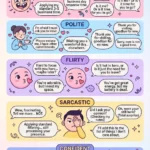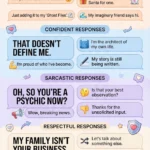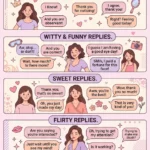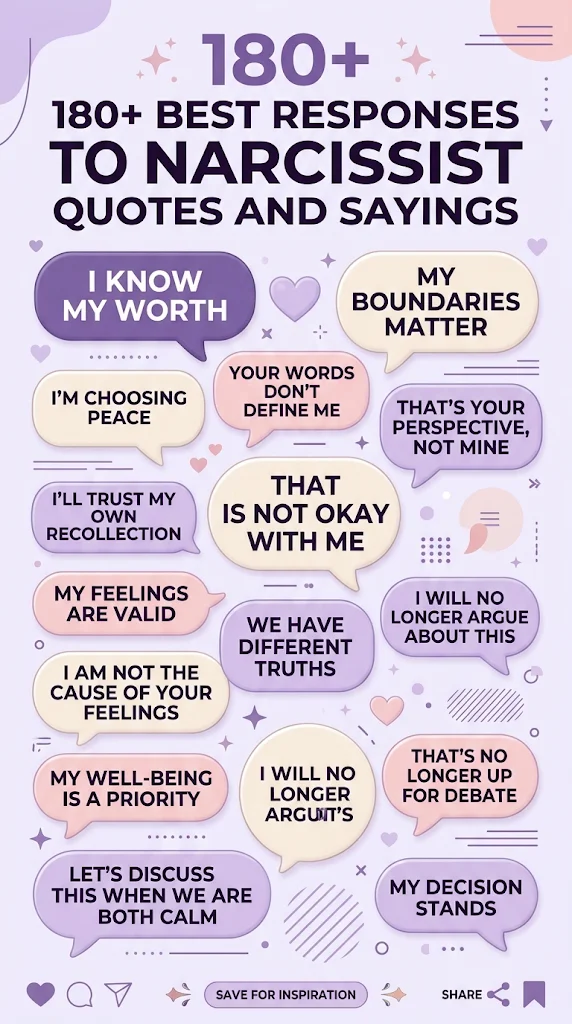
Quick Answer: The best responses to narcissist quotes and sayings are calm, confident, and direct. Whether someone is guilt-tripping you, twisting your words, playing the victim, or trying to control a conversation, the right response can help you stand your ground without getting dragged into unnecessary drama.
Top 5 responses: “I know my worth,” “That’s your perspective, not my reality,” “I’m not responsible for your behavior,” “My boundaries aren’t up for debate,” “I won’t argue about my feelings.”
Ever had a conversation with someone who always turns things around, refuses to admit they’re wrong, or somehow makes you feel guilty for speaking up? It could be a friend, family member, coworker, ex, or someone you’re dating. Dealing with this kind of behavior can be frustrating, especially when you’re trying to explain your side but end up going in circles. Sometimes, you want to respond calmly, sometimes you need a clever comeback, and other times you just want to end the conversation without adding more drama.
That’s where the best responses to narcissist quotes and sayings come in handy. Whether you’re replying to a frustrating text, handling an awkward DM, dealing with a difficult coworker, or having a face-to-face conversation, the right words can help you stand your ground. You don’t have to argue, overexplain, or prove your point every time. A little confidence, a clear boundary, and the right response can go a long way toward protecting your peace.
1. Confident Responses to Narcissist Quotes and Sayings
Confidence is one of the best ways to respond when someone tries to make you doubt yourself. You don’t have to prove your worth or defend every decision. These replies help you communicate self-respect without turning the situation into another argument.
1. I know my worth, and I’m not questioning it.
Example: When someone makes comments designed to lower your confidence.
Meaning: Shows that your self-esteem doesn’t depend on their approval.
2. Your opinion doesn’t define who I am.
Example: When someone criticizes your personality or choices.
Meaning: Reminds them that you have your own identity.
3. I’m comfortable with the person I’ve become.
Example: When someone tries to make you feel inadequate.
Meaning: Expresses self-acceptance and personal confidence.
4. I don’t need to prove myself to you.
Example: When someone constantly demands explanations.
Meaning: Establishes that your value isn’t something you need to demonstrate.
5. I trust myself more than your assumptions.
Example: When someone makes unfair claims about your intentions.
Meaning: Shows confidence in your own judgment.
6. I’m not competing for anyone’s approval.
Example: When someone compares you with other people.
Meaning: Communicates independence from external validation.
7. I can disagree without losing my self-respect.
Example: When someone treats disagreement as disrespect.
Meaning: Shows that you can stand firm without becoming hostile.
8. I won’t shrink myself to make you comfortable.
Example: When someone dislikes your confidence or independence.
Meaning: Expresses your commitment to being yourself.
9. I understand my value, even when you don’t.
Example: When someone repeatedly dismisses your achievements.
Meaning: Reinforces your sense of self-worth.
10. I’m allowed to have my own perspective.
Example: When someone insists that only their opinion matters.
Meaning: Defends your right to think independently.
11. I don’t need your permission to make my choices.
Example: When someone tries to control your personal decisions.
Meaning: Communicates independence and personal freedom.
12. My confidence isn’t an invitation for an argument.
Example: When someone challenges your self-assurance.
Meaning: Makes it clear that you won’t entertain unnecessary conflict.
2. Funny Responses to Narcissist Quotes and Sayings
Sometimes humor helps you avoid getting pulled into an exhausting conversation. A lighthearted reply can communicate that you’re not taking the bait. Keep these responses for situations where joking feels safe and appropriate.
1. That’s a lot of confidence for one conversation.
Example: When someone acts like they know everything.
Meaning: Lightly pokes fun at their excessive self-assurance.
2. Did your ego book the entire room?
Example: When someone makes every discussion about themselves.
Meaning: Humorously points out their need for attention.
3. I see the main character energy is strong today.
Example: When someone behaves as though everyone revolves around them.
Meaning: Teases their tendency to make themselves the center of attention.
4. Should I bring a microphone for your next speech?
Example: When someone won’t stop talking about themselves.
Meaning: Playfully highlights their need to dominate conversations.
5. That’s an interesting episode of Your World.
Example: When someone presents their opinion as the only truth.
Meaning: Suggests that their perspective isn’t universal.
6. My peace just requested a day off.
Example: When a conversation becomes unnecessarily exhausting.
Meaning: Uses humor to express emotional tiredness.
7. That’s quite a plot twist, but okay.
Example: When someone suddenly changes the story.
Meaning: Shows that you’ve noticed the inconsistency without arguing.
8. Not every conversation needs a winner.
Example: When someone turns a simple disagreement into a competition.
Meaning: Reminds them that communication isn’t about defeating others.
9. The drama department called. They want their script back.
Example: When someone exaggerates a minor disagreement.
Meaning: Humorously points out unnecessary drama.
10. I’ll let that opinion enjoy its own company.
Example: When someone makes an unreasonable statement.
Meaning: Shows that you don’t feel obligated to respond seriously.
11. That’s a lot of words to avoid accountability.
Example: When someone gives a long excuse instead of accepting responsibility.
Meaning: Calls attention to their avoidance of responsibility.
12. My notification settings are considering retirement.
Example: When someone keeps sending argumentative messages.
Meaning: Jokingly communicates that you’re tired of the constant drama.
3. Polite Responses to Narcissist Quotes and Sayings
Not every situation needs a sharp comeback. When dealing with relatives, acquaintances, or people you want to remain civil with, polite but firm replies can help you avoid unnecessary tension.
1. I understand your point, but I see things differently.
Example: When someone insists that their opinion is correct.
Meaning: Disagrees respectfully without surrendering your perspective.
2. I’d prefer to keep this conversation respectful.
Example: When someone starts making personal remarks.
Meaning: Establishes expectations for respectful communication.
3. Let’s agree to disagree on this one.
Example: When a discussion is going nowhere.
Meaning: Politely ends an unproductive disagreement.
4. I appreciate your input, but I’ll make my own decision.
Example: When someone offers unwanted advice about your life.
Meaning: Acknowledges their opinion while maintaining independence.
5. I don’t think continuing this discussion will help.
Example: When the same argument keeps repeating.
Meaning: Communicates that you’re ready to end the discussion.
6. I hope we can discuss this without personal comments.
Example: When someone starts criticizing you instead of discussing the issue.
Meaning: Encourages healthier communication.
7. I’m happy to talk when we’re both ready to listen.
Example: When someone refuses to hear your side.
Meaning: Shows willingness to communicate under respectful conditions.
8. I respect your feelings, and I expect the same in return.
Example: When someone dismisses your emotions.
Meaning: Requests mutual emotional respect.
9. Thank you for sharing your perspective.
Example: When you want to acknowledge an opinion without agreeing.
Meaning: Keeps your response courteous and neutral.
10. I’d rather not turn this into an argument.
Example: When someone tries to provoke you.
Meaning: Shows that you prefer peace over unnecessary conflict.
11. I think we’ve both made our points.
Example: When a disagreement has gone on for too long.
Meaning: Signals that the discussion can end.
12. Let’s leave it here for now.
Example: When you need space from an uncomfortable conversation.
Meaning: Creates a polite pause without escalating the situation.
4. Brutally Honest but Respectful Responses
Some situations call for direct language. When someone repeatedly avoids responsibility, manipulates conversations, or disrespects your boundaries, these replies help you communicate clearly without relying on personal insults.
1. Being loud doesn’t make you right.
Example: When someone raises their voice to dominate a discussion.
Meaning: Separates confidence from actual reasoning.
2. Your behavior speaks louder than your words.
Example: When someone’s promises don’t match their actions.
Meaning: Emphasizes the importance of consistent behavior.
3. Accountability isn’t an attack.
Example: When someone treats every criticism as a personal insult.
Meaning: Reminds them that accepting responsibility is part of healthy communication.
4. I won’t keep explaining basic respect.
Example: When someone repeatedly ignores your boundaries.
Meaning: Communicates that respect should not require endless explanations.
5. You can disagree without disrespecting me.
Example: When someone uses disagreement as an excuse for hurtful remarks.
Meaning: Makes your expectations clear.
6. I’m done accepting excuses instead of change.
Example: When someone repeatedly apologizes but never changes their behavior.
Meaning: Prioritizes actions over empty promises.
7. Your feelings don’t cancel out mine.
Example: When someone acts as though only their emotions matter.
Meaning: Reinforces that both people deserve emotional consideration.
8. I won’t carry responsibility for choices I didn’t make.
Example: When someone blames you for their decisions.
Meaning: Refuses unfair responsibility.
9. Manipulation isn’t communication.
Example: When someone uses guilt to influence your decisions.
Meaning: Identifies unhealthy communication tactics.
10. You don’t get to rewrite what happened.
Example: When someone repeatedly changes the details of an argument.
Meaning: Stands firm on your understanding of events.
11. I can forgive without allowing the same behavior again.
Example: When someone expects forgiveness without changing their actions.
Meaning: Separates forgiveness from unlimited access.
12. I’m no longer available for this pattern.
Example: When the same unhealthy interaction keeps happening.
Meaning: Communicates your decision to step away from repeated behavior.
5. Professional Responses to Narcissist Quotes and Sayings
Workplace situations can be especially difficult when a colleague, manager, or business partner displays controlling or dismissive behavior. Professional responses should stay focused on facts, responsibilities, and workplace expectations.
1. Let’s keep the discussion focused on the work.
Example: When a colleague makes a meeting unnecessarily personal.
Meaning: Redirects attention toward professional priorities.
2. I’d appreciate clear and constructive feedback.
Example: When someone criticizes your work without offering useful suggestions.
Meaning: Requests actionable communication.
3. Let’s review the facts before reaching a conclusion.
Example: When a coworker makes assumptions about a project.
Meaning: Encourages evidence-based discussion.
4. I’m happy to discuss this through the proper channels.
Example: When someone creates unnecessary workplace tension.
Meaning: Moves the issue toward an appropriate professional process.
5. Could you clarify the expectations?
Example: When someone gives confusing instructions and later blames you.
Meaning: Requests clear responsibilities and accountability.
6. I prefer to keep our communication professional.
Example: When a colleague makes personal or inappropriate remarks.
Meaning: Establishes workplace communication boundaries.
7. Let’s document the agreed next steps.
Example: When someone frequently changes their version of an agreement.
Meaning: Encourages clarity and accountability.
8. I have a different understanding of the situation.
Example: When someone misrepresents a workplace discussion.
Meaning: Professionally introduces your perspective.
9. I’d like to address the specific concern.
Example: When someone makes broad accusations about your performance.
Meaning: Brings the conversation back to a concrete issue.
10. Let’s focus on solutions rather than blame.
Example: When a team discussion becomes focused on finding someone to blame.
Meaning: Encourages productive problem-solving.
11. I’ll follow up with a written summary.
Example: When important instructions or decisions need to be recorded.
Meaning: Creates a clear record of the discussion.
12. I don’t think personal remarks are appropriate here.
Example: When someone crosses professional boundaries during a meeting.
Meaning: Firmly requests respectful workplace behavior.
6. Sarcastic Responses to Narcissist Quotes and Sayings
A little sarcasm can make your point without turning every disagreement into a serious debate. These replies work best with people who understand your humor and in situations where a sarcastic response won’t create additional problems.
1. Well, that was certainly a lot of self-appreciation.
Example: When someone constantly praises themselves.
Meaning: Sarcastically highlights their self-centered comments.
2. Thanks for the unsolicited life lesson.
Example: When someone lectures you without understanding your situation.
Meaning: Shows that you didn’t ask for their advice.
3. I didn’t realize this was a one-person discussion.
Example: When someone refuses to let you speak.
Meaning: Points out their habit of dominating conversations.
4. Your version always seems to have a special ending.
Example: When someone changes the story to suit themselves.
Meaning: Highlights inconsistencies in their explanations.
5. That’s one way to avoid answering the question.
Example: When someone changes the subject instead of responding.
Meaning: Calls attention to their avoidance.
6. I see accountability is taking another vacation.
Example: When someone refuses to accept responsibility.
Meaning: Uses humor to criticize their lack of accountability.
7. Not everything is a competition, you know.
Example: When someone tries to turn your achievements into a contest.
Meaning: Challenges their competitive attitude.
8. I wasn’t aware my life needed your approval.
Example: When someone constantly judges your decisions.
Meaning: Rejects their unnecessary authority over your choices.
9. That’s a very creative interpretation of events.
Example: When someone describes a situation differently from what happened.
Meaning: Expresses skepticism about their version of events.
10. I’ll add that to the list of opinions I didn’t request.
Example: When someone gives unnecessary criticism.
Meaning: Communicates that their opinion wasn’t needed.
11. Congratulations on making this about yourself again.
Example: When someone redirects every conversation toward themselves.
Meaning: Highlights their tendency to seek attention.
12. I’ll let that comment speak for itself.
Example: When someone makes an obviously inappropriate remark.
Meaning: Avoids giving their comment more attention.
7. Short and Direct Responses to Narcissist Quotes
Sometimes the best response is the shortest one. If you’re texting someone who keeps pushing your buttons, a few clear words can communicate your position without opening the door to another lengthy argument.
1. I disagree.
Example: When someone expects you to accept their opinion.
Meaning: Expresses disagreement without unnecessary explanation.
2. That’s not okay.
Example: When someone crosses a personal boundary.
Meaning: Clearly identifies unacceptable behavior.
3. I’m not interested in arguing.
Example: When someone repeatedly tries to start a fight.
Meaning: Shows that you won’t participate in unnecessary conflict.
4. Let’s stop here.
Example: When a conversation becomes unproductive.
Meaning: Ends the discussion directly.
5. I know what I experienced.
Example: When someone dismisses your memory of an event.
Meaning: Shows confidence in your own experience.
6. That doesn’t work for me.
Example: When someone makes unreasonable demands.
Meaning: Politely refuses something that doesn’t suit your needs.
7. My answer is no.
Example: When someone keeps pressuring you after you’ve refused.
Meaning: Establishes a clear and final boundary.
8. I need some space.
Example: When an interaction becomes emotionally overwhelming.
Meaning: Communicates your need for distance.
9. Please respect my decision.
Example: When someone refuses to accept your choice.
Meaning: Requests that your independence be respected.
10. I’m not changing my mind.
Example: When someone repeatedly tries to pressure you.
Meaning: Shows that your decision is firm.
11. That’s your responsibility.
Example: When someone tries to make you manage their actions.
Meaning: Returns responsibility to the appropriate person.
12. I’m choosing peace.
Example: When you decide not to continue an argument.
Meaning: Prioritizes emotional well-being over conflict.
8. Emotional Responses to Narcissist Quotes and Sayings
When someone repeatedly dismisses your feelings, the experience can be painful. These emotional replies help you express hurt, disappointment, and the need for understanding without losing your voice.
1. It hurts when my feelings are constantly dismissed.
Example: When someone repeatedly ignores your emotional concerns.
Meaning: Honestly communicates emotional pain.
2. I deserve to feel heard, too.
Example: When someone talks over you during serious conversations.
Meaning: Expresses your need for mutual understanding.
3. I’m tired of pretending everything is fine.
Example: When you’ve been hiding your disappointment for too long.
Meaning: Shows emotional honesty and exhaustion.
4. I wanted understanding, not another argument.
Example: When you try to explain your feelings but receive defensiveness.
Meaning: Expresses a desire for empathy instead of conflict.
5. My silence doesn’t mean I wasn’t hurt.
Example: When someone assumes you’re unaffected because you stopped responding.
Meaning: Reminds them that quietness doesn’t erase emotional pain.
6. I can’t keep ignoring how this makes me feel.
Example: When the same behavior continues to hurt you.
Meaning: Acknowledges the importance of your emotional well-being.
7. I wish you would listen instead of judging me.
Example: When someone criticizes you before understanding your feelings.
Meaning: Requests empathy and genuine attention.
8. I’m allowed to be disappointed.
Example: When someone makes you feel guilty for expressing sadness.
Meaning: Validates your right to experience difficult emotions.
9. I needed support, not blame.
Example: When someone makes you feel responsible for an already difficult situation.
Meaning: Expresses disappointment in their response.
10. This relationship shouldn’t feel like a constant battle.
Example: When every conversation turns into an argument.
Meaning: Expresses a desire for healthier interactions.
11. I miss feeling comfortable around you.
Example: When someone’s behavior has changed how safe you feel communicating.
Meaning: Expresses sadness about the loss of emotional comfort.
12. I deserve relationships where my feelings matter.
Example: When you’re reflecting on an emotionally exhausting relationship.
Meaning: Reinforces your need for mutual care and respect.
9. Responses That Set Strong Boundaries
Boundaries aren’t punishments. They’re a way to communicate what you will and won’t accept. If someone repeatedly ignores your limits, these responses can help you stay consistent.
1. My boundaries are not up for debate.
Example: When someone keeps questioning your personal limits.
Meaning: Makes it clear that your boundaries deserve respect.
2. You don’t have to agree, but you do have to respect it.
Example: When someone refuses to accept your decision.
Meaning: Separates personal agreement from respectful behavior.
3. I’m not available for disrespectful conversations.
Example: When someone uses insulting language during an argument.
Meaning: Sets a condition for continued communication.
4. I won’t explain this boundary again.
Example: When someone repeatedly ignores a limit you’ve already communicated.
Meaning: Shows that you’ve reached your limit with repeated explanations.
5. Please don’t contact me about this again.
Example: When someone keeps sending unwanted messages about a finished disagreement.
Meaning: Requests that a particular topic or interaction stop.
6. My personal space matters.
Example: When someone demands constant access to your time.
Meaning: Communicates your need for privacy and independence.
7. I decide what I’m comfortable with.
Example: When someone pressures you into doing something.
Meaning: Reinforces your right to make personal choices.
8. I won’t accept being spoken to that way.
Example: When someone uses disrespectful language toward you.
Meaning: Establishes a clear communication standard.
9. If this continues, I’ll end the conversation.
Example: When someone repeatedly ignores your request for respectful communication.
Meaning: Explains the consequence of continued boundary-crossing.
10. You can have your opinion without controlling my choices.
Example: When someone tries to dictate your personal decisions.
Meaning: Protects your independence.
11. I need distance from this situation.
Example: When an interaction becomes emotionally draining.
Meaning: Communicates the need for temporary or lasting space.
12. Access to me requires mutual respect.
Example: When someone expects your attention despite treating you poorly.
Meaning: Reinforces that healthy relationships require respect.
10. Clever Responses to Narcissist Quotes and Sayings
A clever response doesn’t need to be complicated. It simply shows that you’ve understood what’s happening and aren’t willing to accept an unfair version of the situation.
1. Confidence is great, but so is self-awareness.
Example: When someone acts as though they can never be wrong.
Meaning: Reminds them that confidence should come with reflection.
2. Being right isn’t more important than being respectful.
Example: When someone prioritizes winning an argument over understanding you.
Meaning: Highlights the value of respectful communication.
3. A disagreement doesn’t make someone your enemy.
Example: When someone treats your different opinion as betrayal.
Meaning: Encourages emotional maturity.
4. I can hear you without accepting your conclusion.
Example: When someone expects you to agree just because they’ve explained their position.
Meaning: Separates listening from agreement.
5. An apology means more when behavior changes.
Example: When someone repeatedly says sorry for the same actions.
Meaning: Emphasizes the importance of meaningful accountability.
6. Not every reaction needs a response.
Example: When someone tries to provoke you through messages.
Meaning: Shows that you can choose when to engage.
7. Your interpretation isn’t the only possible truth.
Example: When someone presents their assumptions as facts.
Meaning: Encourages a more balanced perspective.
8. Respect should never be a one-way street.
Example: When someone expects courtesy but refuses to offer it.
Meaning: Promotes mutual respect.
9. A boundary is information, not an invitation to negotiate.
Example: When someone treats your limits as a challenge.
Meaning: Explains why personal boundaries should be taken seriously.
10. Understanding my perspective doesn’t require agreeing with it.
Example: When someone refuses to acknowledge your point of view.
Meaning: Encourages empathy without demanding agreement.
11. The truth doesn’t need a competition.
Example: When someone turns every disagreement into a battle.
Meaning: Suggests that honest communication matters more than winning.
12. Peace becomes easier when explanations become shorter.
Example: When you decide to stop defending every little decision.
Meaning: Encourages you to conserve emotional energy.
11. Calm Responses That Avoid Arguments
When someone is trying to get a reaction, staying calm can help you protect your emotional energy. These replies are especially useful for repetitive arguments, uncomfortable texts, and conversations that go nowhere.
1. I hear what you’re saying.
Example: When someone wants an immediate reaction to their opinion.
Meaning: Acknowledges their words without agreeing.
2. I’m not going to argue about this.
Example: When someone keeps repeating the same accusation.
Meaning: Refuses to participate in circular arguments.
3. Let’s take a break from this conversation.
Example: When emotions are running high.
Meaning: Creates room for a calmer discussion later.
4. I don’t have anything else to add.
Example: When you’ve already explained your position.
Meaning: Signals that you’re finished repeating yourself.
5. We clearly see this differently.
Example: When neither person is willing to change their perspective.
Meaning: Acknowledges disagreement without escalating it.
6. I’m choosing not to engage right now.
Example: When a message seems designed to provoke you.
Meaning: Shows deliberate emotional restraint.
7. I need time to think about this.
Example: When someone pressures you for an immediate answer.
Meaning: Gives you space to process your thoughts.
8. Let’s discuss this when we’re calmer.
Example: When a conversation becomes heated.
Meaning: Suggests a more constructive time to communicate.
9. I won’t respond to personal attacks.
Example: When someone moves from discussing an issue to insulting you.
Meaning: Sets a clear limit on disrespectful communication.
10. I’m comfortable leaving this unresolved for now.
Example: When an argument has no productive outcome.
Meaning: Shows that you don’t need immediate agreement.
11. I understand that you feel differently.
Example: When someone keeps demanding that you accept their viewpoint.
Meaning: Acknowledges their feelings without abandoning yours.
12. I’m going to step away now.
Example: When you need to end an emotionally draining interaction.
Meaning: Communicates a calm decision to disengage.
12. Responses to Narcissist Quotes About Being the Victim
Some people respond to accountability by presenting themselves as the person who has been wronged. These replies can help you acknowledge feelings without accepting blame for everything.
1. I understand you’re upset, but we both have feelings.
Example: When someone acts as though your emotions don’t matter.
Meaning: Encourages emotional consideration from both sides.
2. Being upset doesn’t automatically make someone right.
Example: When someone uses their anger to end a disagreement.
Meaning: Separates emotions from responsibility.
3. We can discuss what happened without assigning all the blame.
Example: When someone turns a disagreement into a blame game.
Meaning: Encourages a balanced conversation.
4. I won’t apologize for something I didn’t do.
Example: When someone demands an apology for an unfair accusation.
Meaning: Protects your honesty and self-respect.
5. Your disappointment doesn’t make me responsible for everything.
Example: When someone blames you for their entire emotional experience.
Meaning: Establishes a healthy distinction between feelings and responsibility.
6. I can care about you without accepting unfair blame.
Example: When someone uses guilt to make you feel responsible.
Meaning: Shows compassion while maintaining boundaries.
7. Let’s talk about what actually happened.
Example: When someone focuses on their feelings while ignoring the original issue.
Meaning: Redirects the discussion toward specific events.
8. I won’t take responsibility for your assumptions.
Example: When someone accuses you based on what they think you meant.
Meaning: Rejects blame based on unsupported interpretations.
9. We both need to take responsibility for our actions.
Example: When someone expects you to accept all the blame.
Meaning: Encourages shared accountability.
10. I can listen without accepting a distorted version of events.
Example: When someone repeatedly presents an inaccurate account of an argument.
Meaning: Shows openness without surrendering your perspective.
11. Your feelings matter, and so do the facts.
Example: When an emotional discussion overlooks what actually happened.
Meaning: Balances empathy with honesty.
12. I won’t let guilt make my decisions for me.
Example: When someone uses emotional pressure to influence your choices.
Meaning: Reinforces independent decision-making.
13. Responses to Narcissist Quotes About Being Perfect
Nobody is perfect, and healthy relationships leave room for mistakes, apologies, and growth. If someone acts as though they’re always right, these responses can bring the conversation back to reality.
1. Nobody gets everything right, including you.
Example: When someone refuses to admit a mistake.
Meaning: Reminds them that everyone makes errors.
2. Being human means being accountable.
Example: When someone uses perfection as an excuse to avoid responsibility.
Meaning: Connects personal growth with accountability.
3. You don’t have to be perfect to be respected.
Example: When someone treats every mistake as a personal failure.
Meaning: Encourages realistic expectations.
4. Admitting a mistake is a sign of maturity.
Example: When someone refuses to acknowledge an obvious error.
Meaning: Encourages self-awareness and personal growth.
5. I value honesty more than a perfect image.
Example: When someone hides mistakes to protect their reputation.
Meaning: Prioritizes authenticity over appearances.
6. Growth starts when excuses stop.
Example: When someone repeatedly justifies their behavior.
Meaning: Highlights the importance of taking responsibility.
7. You can be respected without always being right.
Example: When someone treats disagreement as a threat to their authority.
Meaning: Separates respect from the need to win.
8. Mistakes are opportunities to learn, not blame someone else.
Example: When someone tries to make you responsible for their error.
Meaning: Encourages constructive accountability.
9. I don’t expect perfection, just basic respect.
Example: When someone excuses repeated disrespect as a personality trait.
Meaning: Sets a reasonable relationship expectation.
10. Self-awareness looks better than pretending.
Example: When someone refuses to acknowledge their shortcomings.
Meaning: Values honesty and personal reflection.
11. An honest apology doesn’t need an excuse attached.
Example: When someone says sorry but immediately blames you.
Meaning: Encourages sincere apologies.
12. Real strength includes admitting when you’re wrong.
Example: When someone believes apologizing makes them weak.
Meaning: Presents accountability as a sign of emotional maturity.
14. Sweet but Firm Responses to Narcissist Quotes and Sayings
You can be kind without allowing someone to cross your boundaries. These responses are useful when you want to maintain a gentle tone while making your expectations clear.
1. I wish you well, but I need to protect my peace.
Example: When stepping away from an emotionally draining relationship.
Meaning: Expresses goodwill while prioritizing your well-being.
2. I care about you, but I care about myself, too.
Example: When someone expects you to put their needs first every time.
Meaning: Reinforces the importance of self-respect.
3. I hope we can understand each other better someday.
Example: When ending a difficult conversation on a gentle note.
Meaning: Leaves room for healthier communication.
4. Kindness doesn’t mean accepting everything.
Example: When someone mistakes your patience for unlimited tolerance.
Meaning: Separates compassion from accepting poor treatment.
5. I want peace, not another disagreement.
Example: When someone repeatedly starts arguments over small things.
Meaning: Expresses your preference for calm communication.
6. I can wish you happiness from a distance.
Example: When you decide to step back from a difficult relationship.
Meaning: Shows that caring doesn’t require constant closeness.
7. I hope you find the understanding you’re looking for.
Example: When you want to end a disagreement without hostility.
Meaning: Offers a courteous and peaceful closing.
8. My heart is kind, but my boundaries are strong.
Example: When someone tries to take advantage of your generosity.
Meaning: Shows that kindness and firmness can coexist.
9. I deserve the same care I give to others.
Example: When a relationship feels emotionally one-sided.
Meaning: Expresses the need for mutual affection and consideration.
10. I won’t stop being kind, but I will protect myself.
Example: When someone expects you to tolerate repeated hurtful behavior.
Meaning: Maintains compassion without sacrificing self-respect.
11. I hope things get better, but I need things to change.
Example: When someone repeatedly promises improvement.
Meaning: Expresses hope while emphasizing the need for action.
12. I choose kindness, but I also choose boundaries.
Example: When you want to communicate your limits without hostility.
Meaning: Balances warmth with personal protection.
15. Final Responses to End a Conversation With a Narcissist
Sometimes continuing the conversation isn’t worth your time or emotional energy. When you’ve explained yourself enough, these closing replies can help you leave without getting caught in another cycle of arguments.
1. This conversation is over for me.
Example: When someone refuses to respect your decision to stop arguing.
Meaning: Clearly communicates that you’re finished engaging.
2. I have said everything I needed to say.
Example: When you’ve already explained your feelings multiple times.
Meaning: Signals that no further explanation is necessary.
3. I’m moving forward without this argument.
Example: When someone keeps bringing up the same disagreement.
Meaning: Shows your decision to stop revisiting the conflict.
4. I won’t continue this conversation.
Example: When someone repeatedly sends argumentative messages.
Meaning: Establishes a direct communication boundary.
5. There’s nothing productive left to discuss.
Example: When the conversation has become repetitive and hostile.
Meaning: Explains why you’re choosing to disengage.
6. I wish you the best, but I’m stepping away.
Example: When ending contact with someone after repeated conflict.
Meaning: Offers a respectful goodbye while creating distance.
7. Please respect my decision to move on.
Example: When someone keeps trying to restart a finished disagreement.
Meaning: Asks them to accept your decision.
8. I’m no longer participating in this cycle.
Example: When the same argument keeps repeating without improvement.
Meaning: Shows that you’re choosing not to repeat unhealthy interactions.
9. I need distance, and I expect that to be respected.
Example: When someone continues contacting you after you’ve requested space.
Meaning: Communicates a firm need for separation.
10. This isn’t the kind of communication I want.
Example: When someone repeatedly turns conversations into personal attacks.
Meaning: Expresses dissatisfaction with the way you’re being treated.
11. I’m choosing to move on without further discussion.
Example: When you’ve made a final decision about a relationship or disagreement.
Meaning: Communicates closure without inviting more debate.
12. Take care. I’m done here.
Example: When you want to end an uncomfortable conversation directly.
Meaning: Provides a short, final closing statement.
FAQs
What Do Narcissist Quotes and Sayings Usually Mean?
Narcissist quotes may express superiority, entitlement, blame, control, or a need for admiration.
What Is the Best Response to a Narcissist Quote?
Stay calm, trust your judgment, and respond with a clear boundary instead of arguing.
What Is a Good Emotional Response to a Narcissist?
“I deserve to have my feelings heard, too” expresses hurt without becoming disrespectful.
Can a Narcissist’s Words Sound Flirty or Romantic?
Yes. Romantic statements can sound charming, but consider consistent actions rather than words alone.
How Do You Respond to a Narcissist Professionally?
Keep communication factual, document important discussions, and maintain workplace boundaries.
What Should You Say If You Don’t Mean What You Say?
Be honest and avoid making promises or agreeing just to end an uncomfortable conversation.
Is Humor Appropriate When Responding to a Narcissist?
Yes, when it’s safe and appropriate, but avoid humor if it could escalate the situation.
Should You Always Reply to a Narcissist?
No. Sometimes disengaging or not responding is healthier than continuing an unproductive conversation.
Conclusion
The best responses to narcissist quotes and sayings aren’t always the funniest or most direct ones. Sometimes, a calm sentence, a clear boundary, or simply choosing not to respond makes the biggest difference.
Remember, you deserve conversations built on mutual respect, honesty, and understanding. Try different replies from this list depending on the situation, whether you’re texting, handling workplace tension, or protecting your personal space. Save your favorite responses, share them with someone who needs encouragement, and never forget that your peace matters!